Sunday, September 25, 2011

Withered flowers in the flower bed


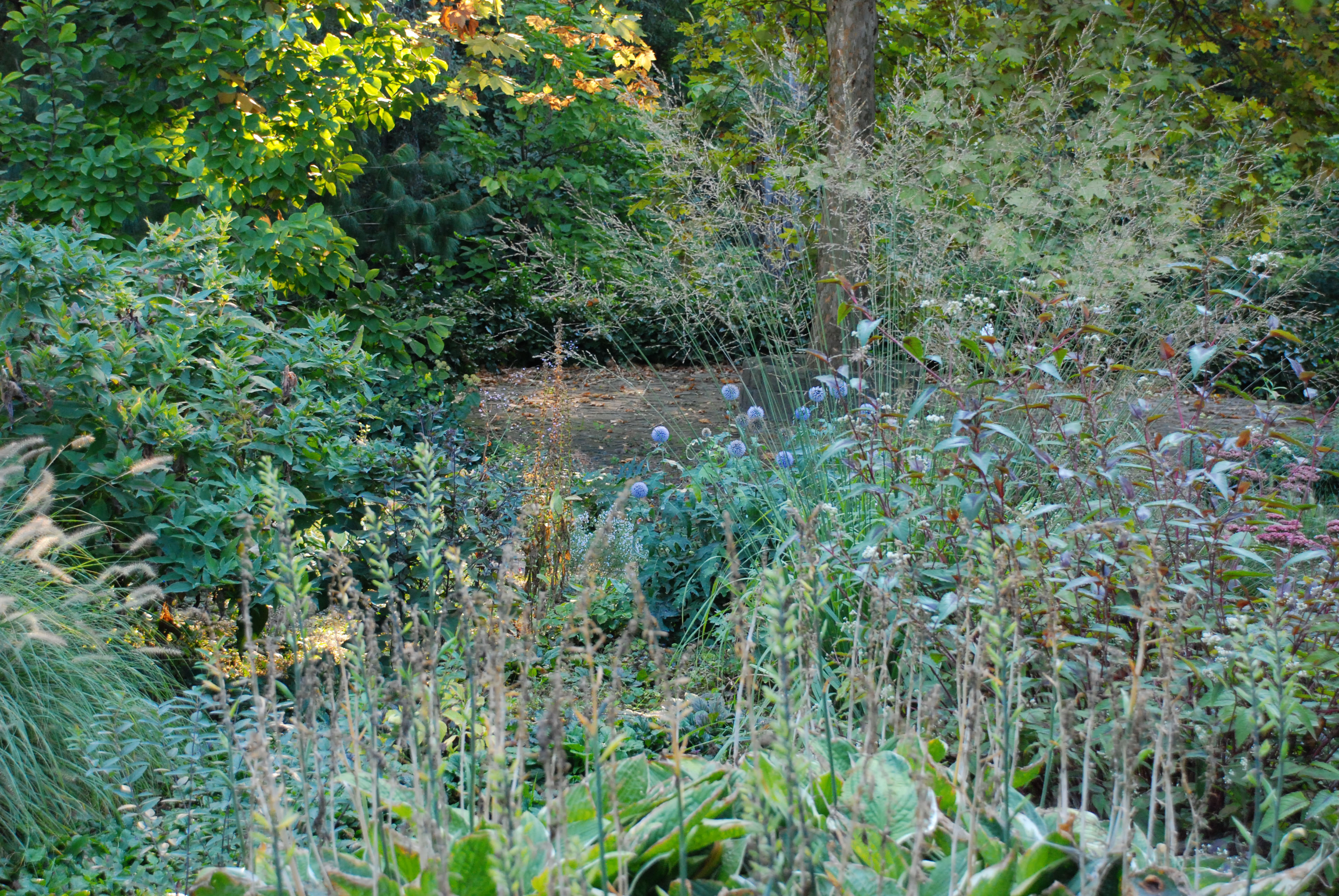
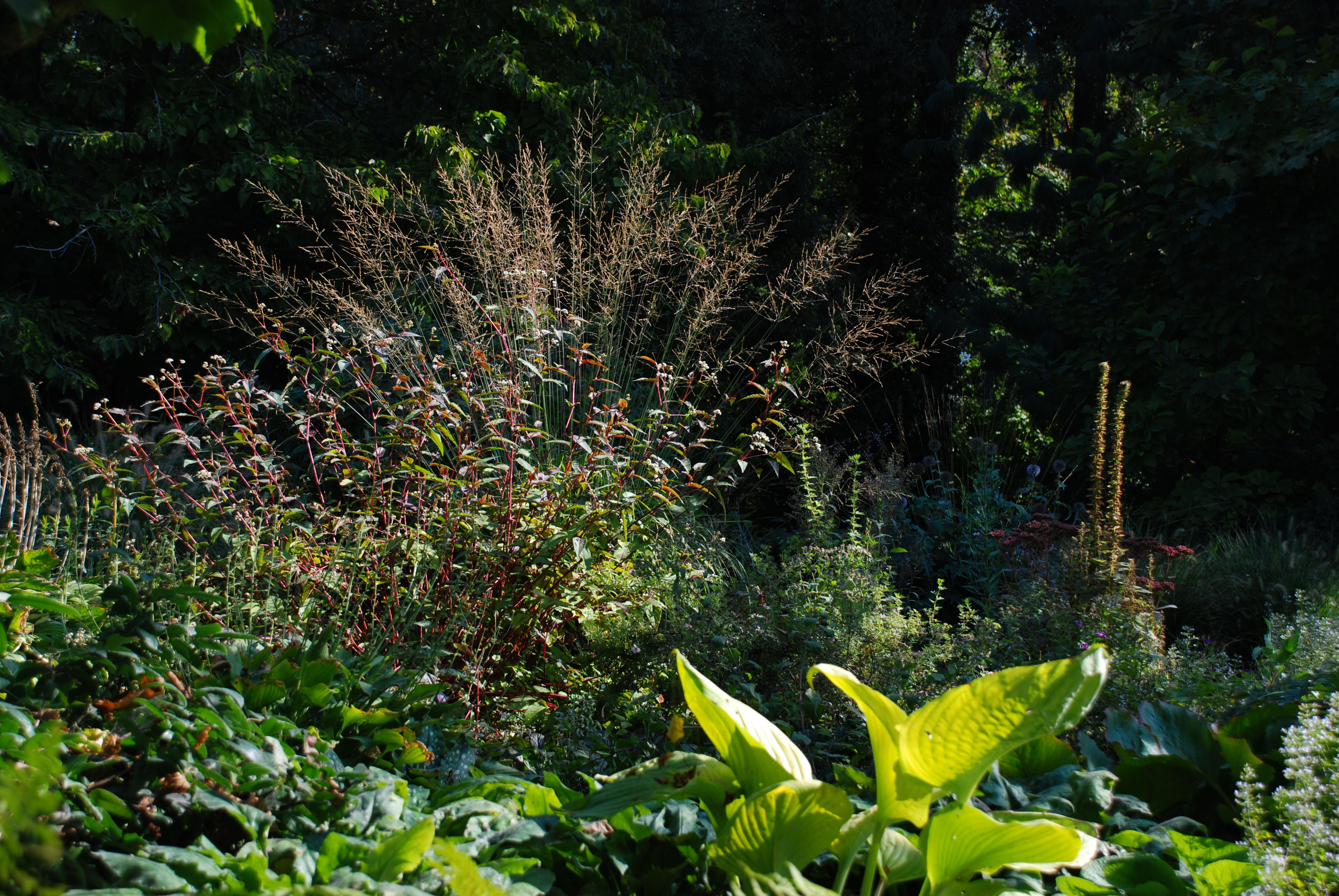
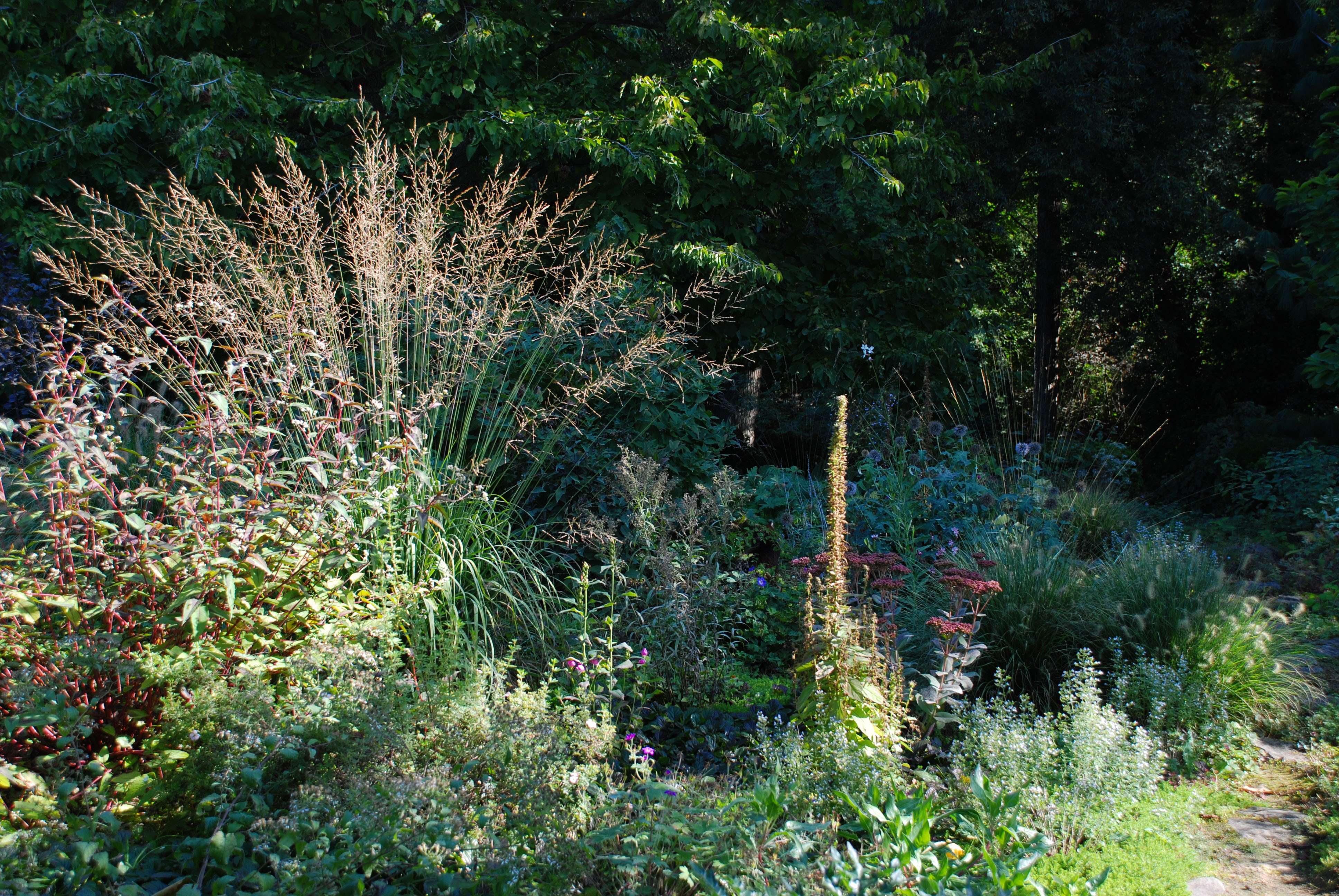
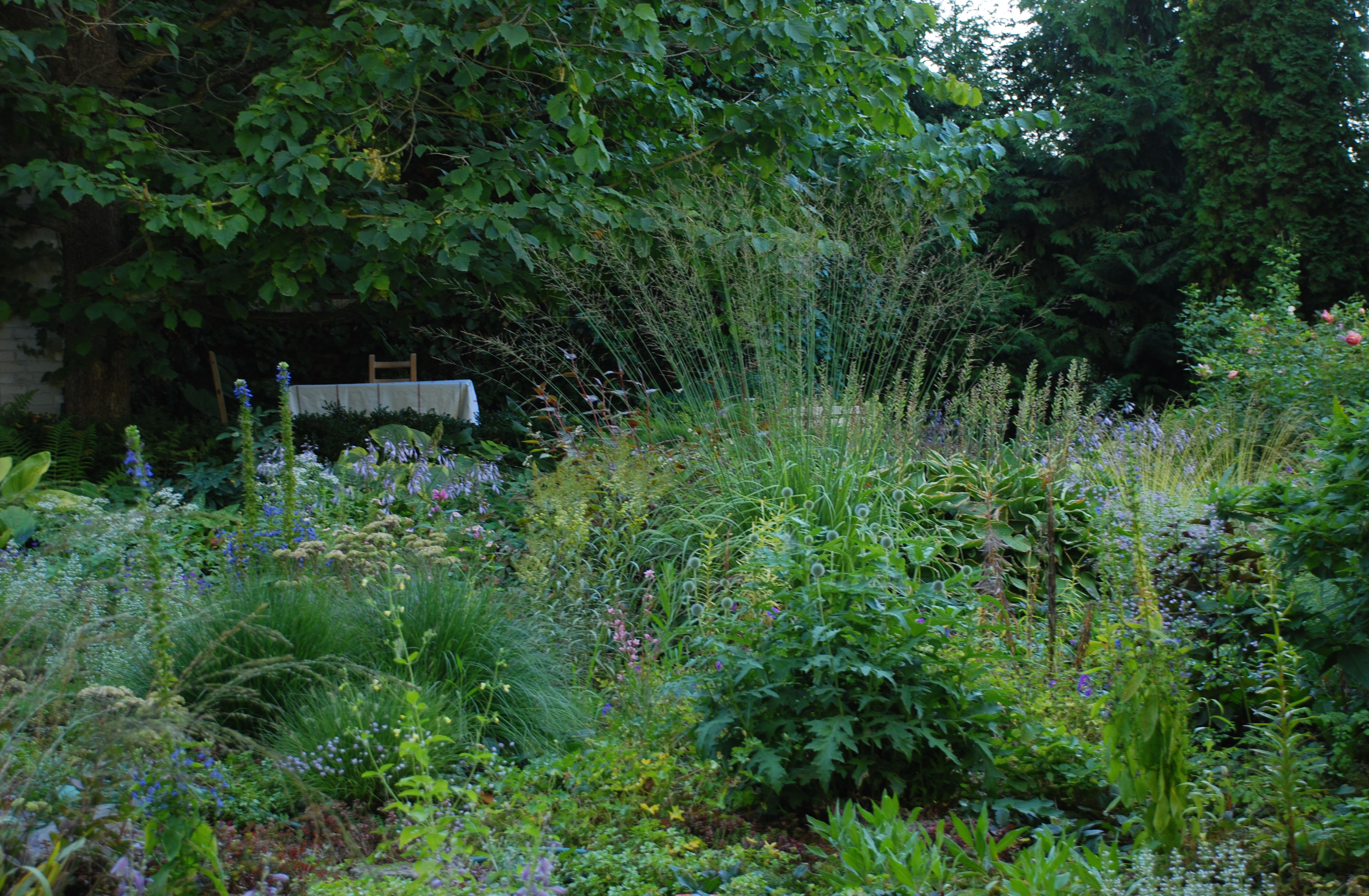
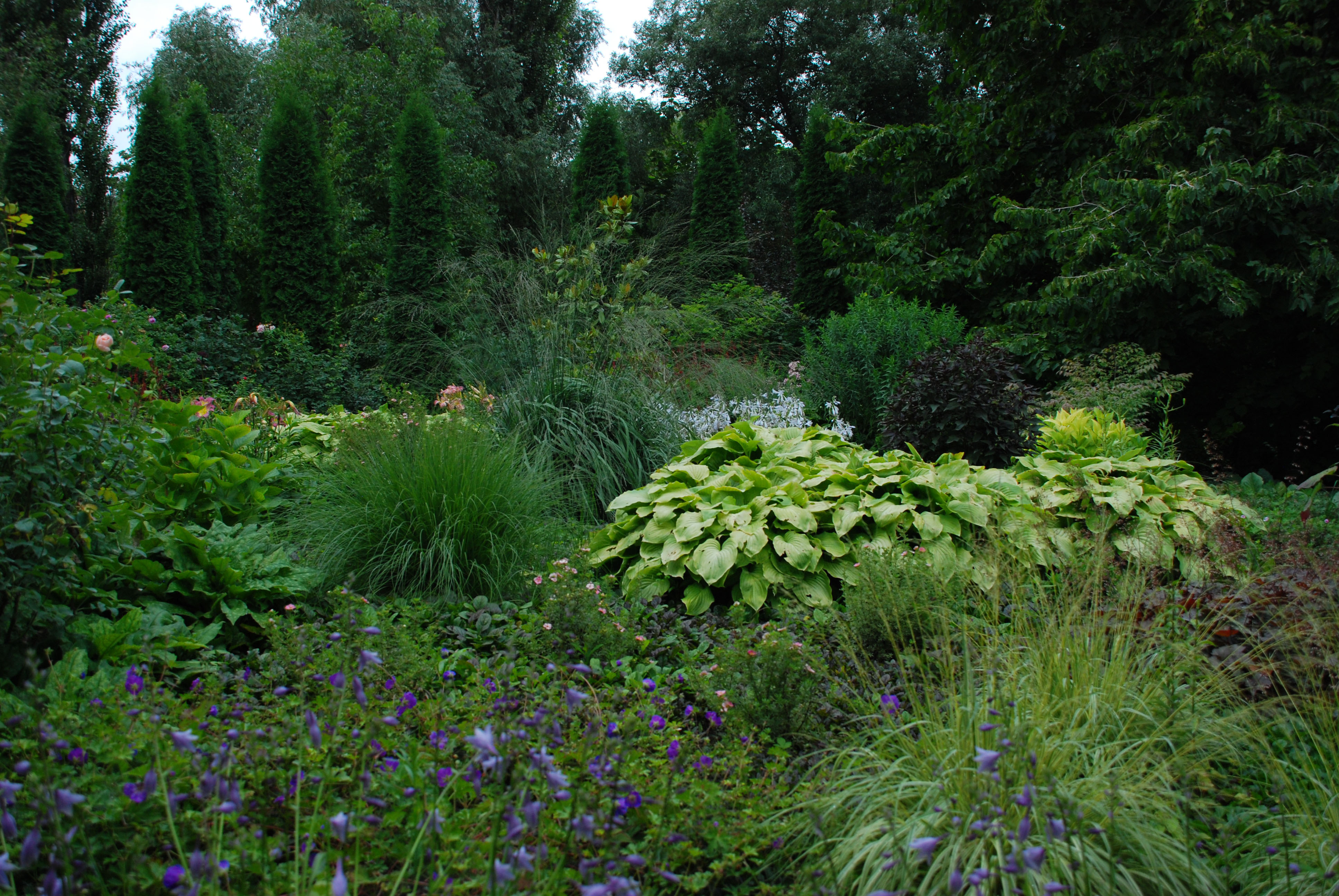
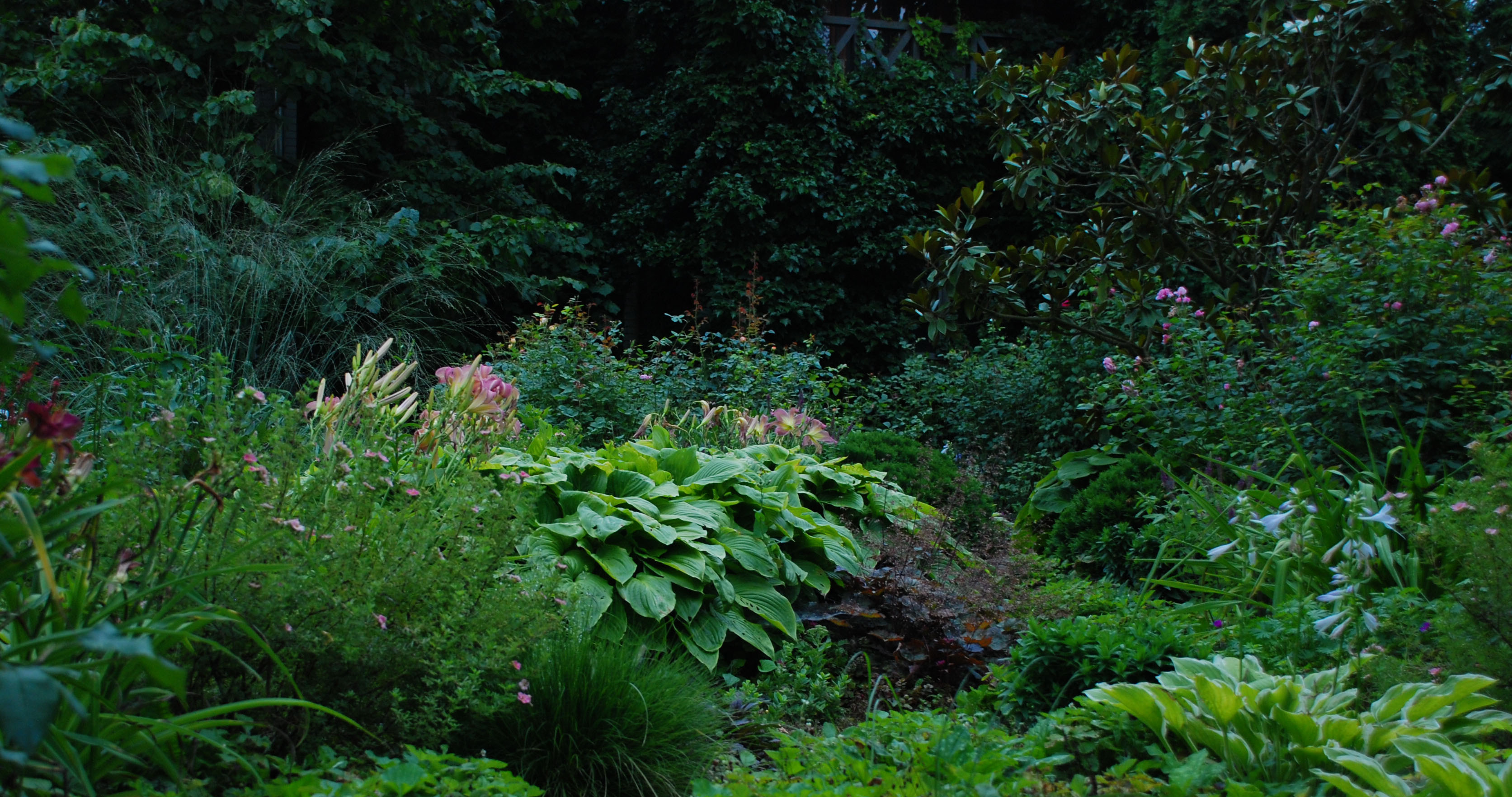
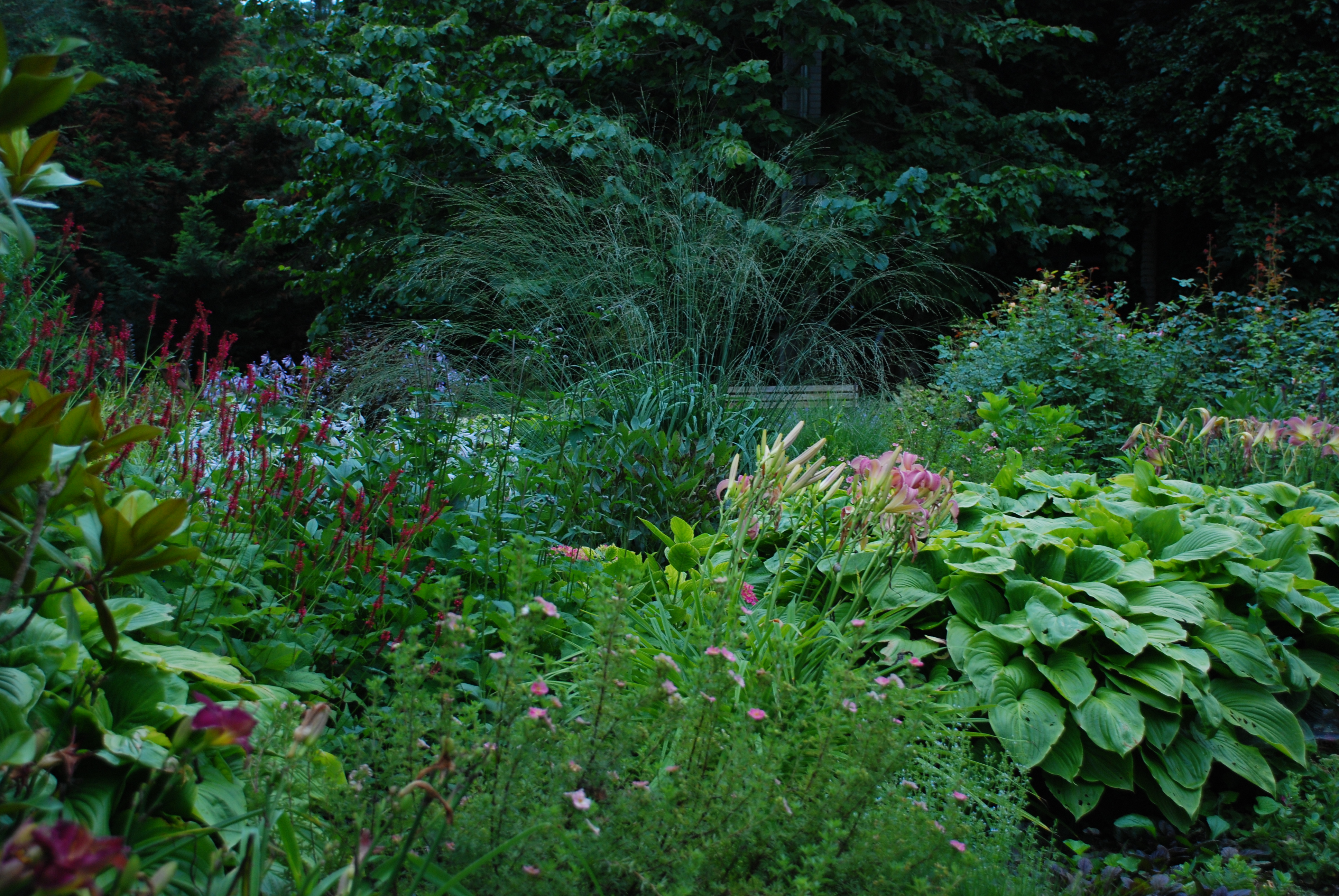
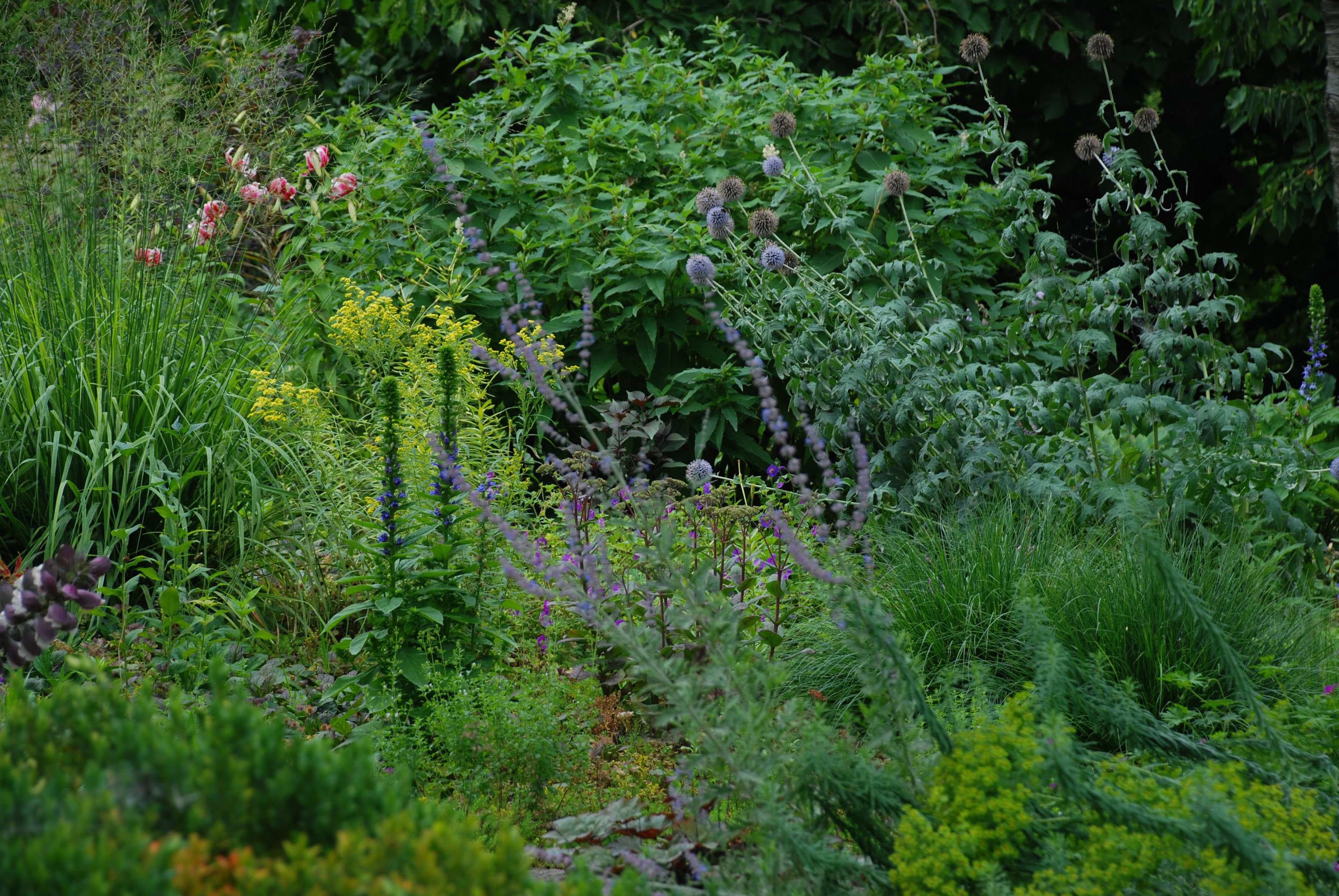
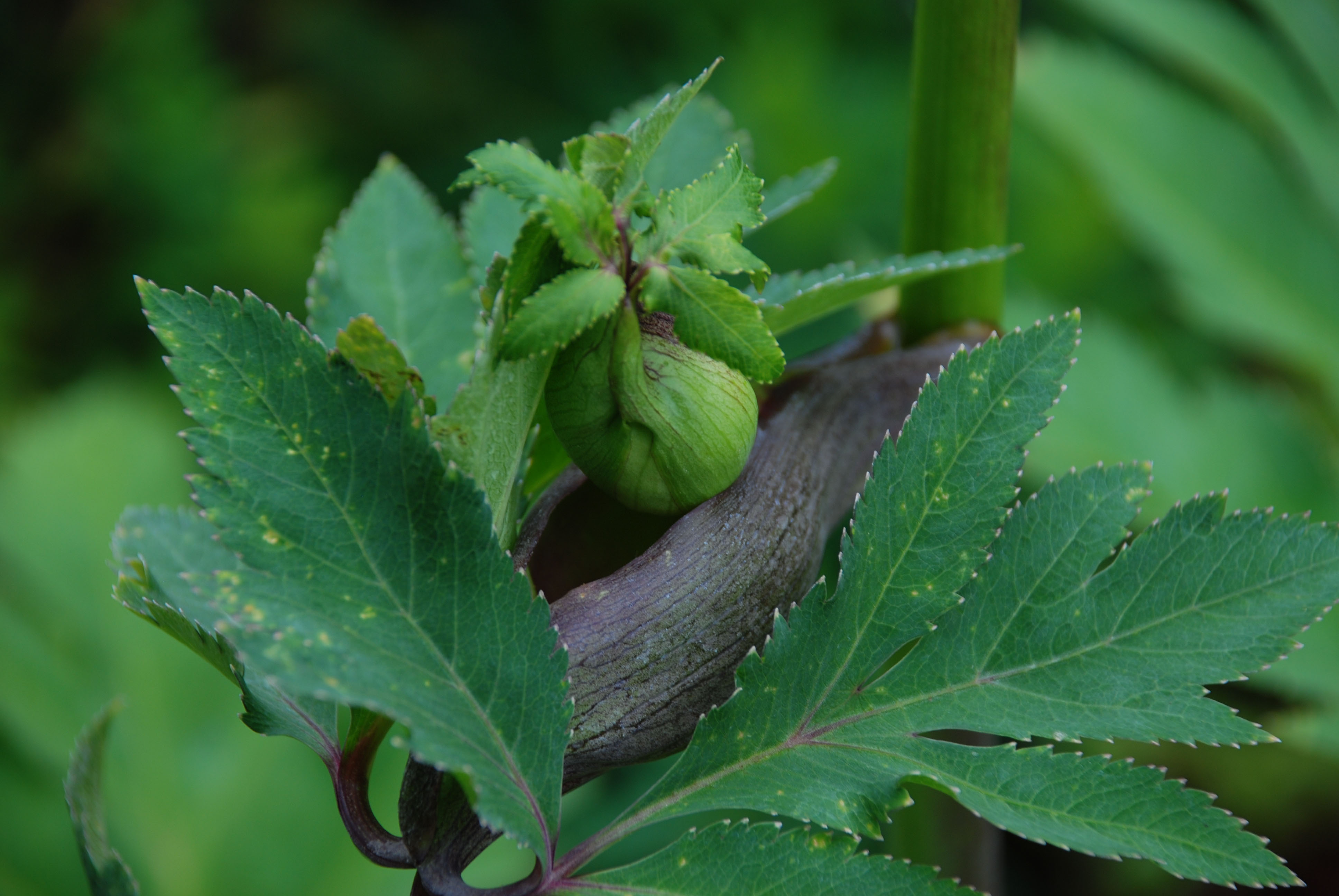
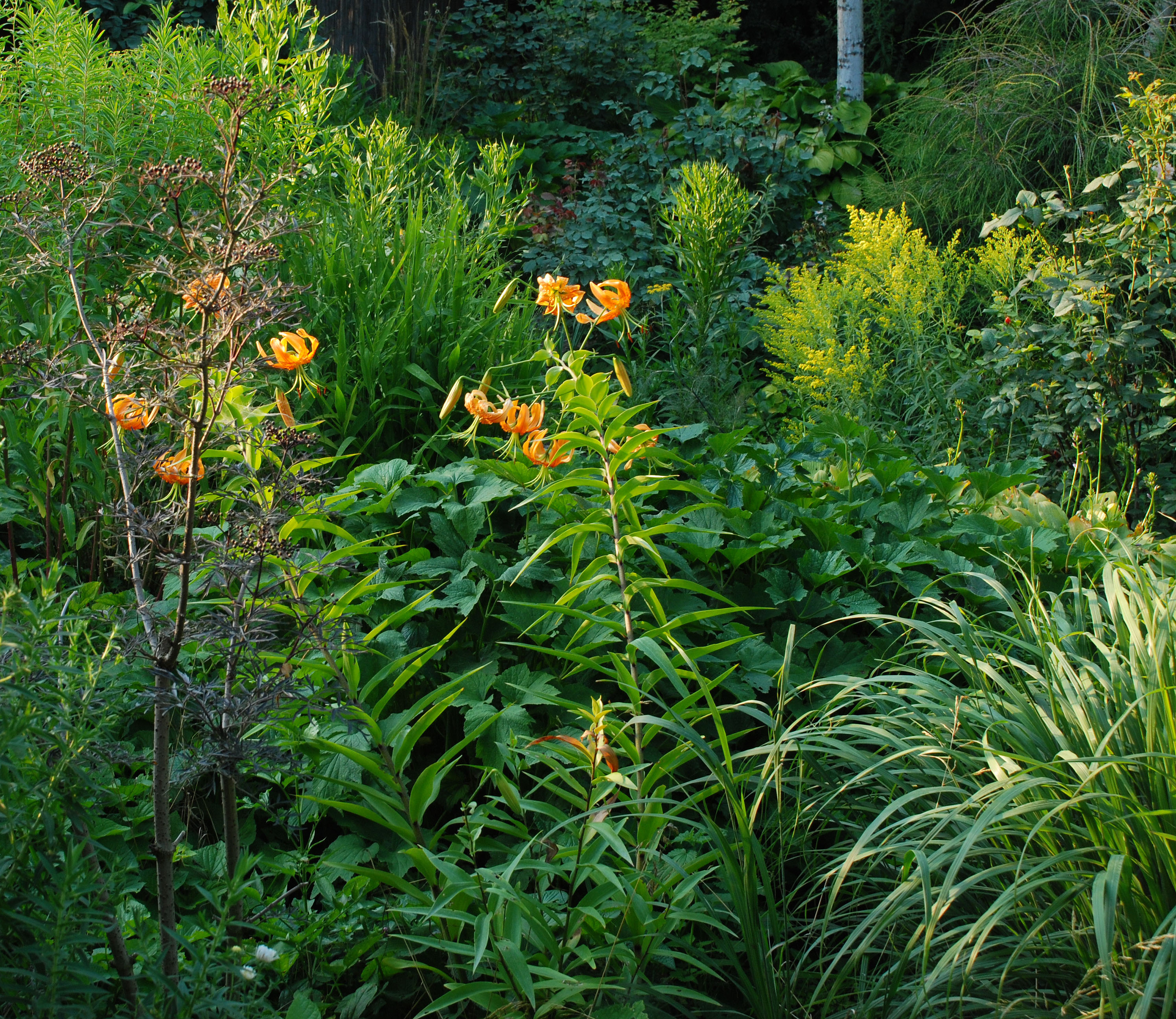
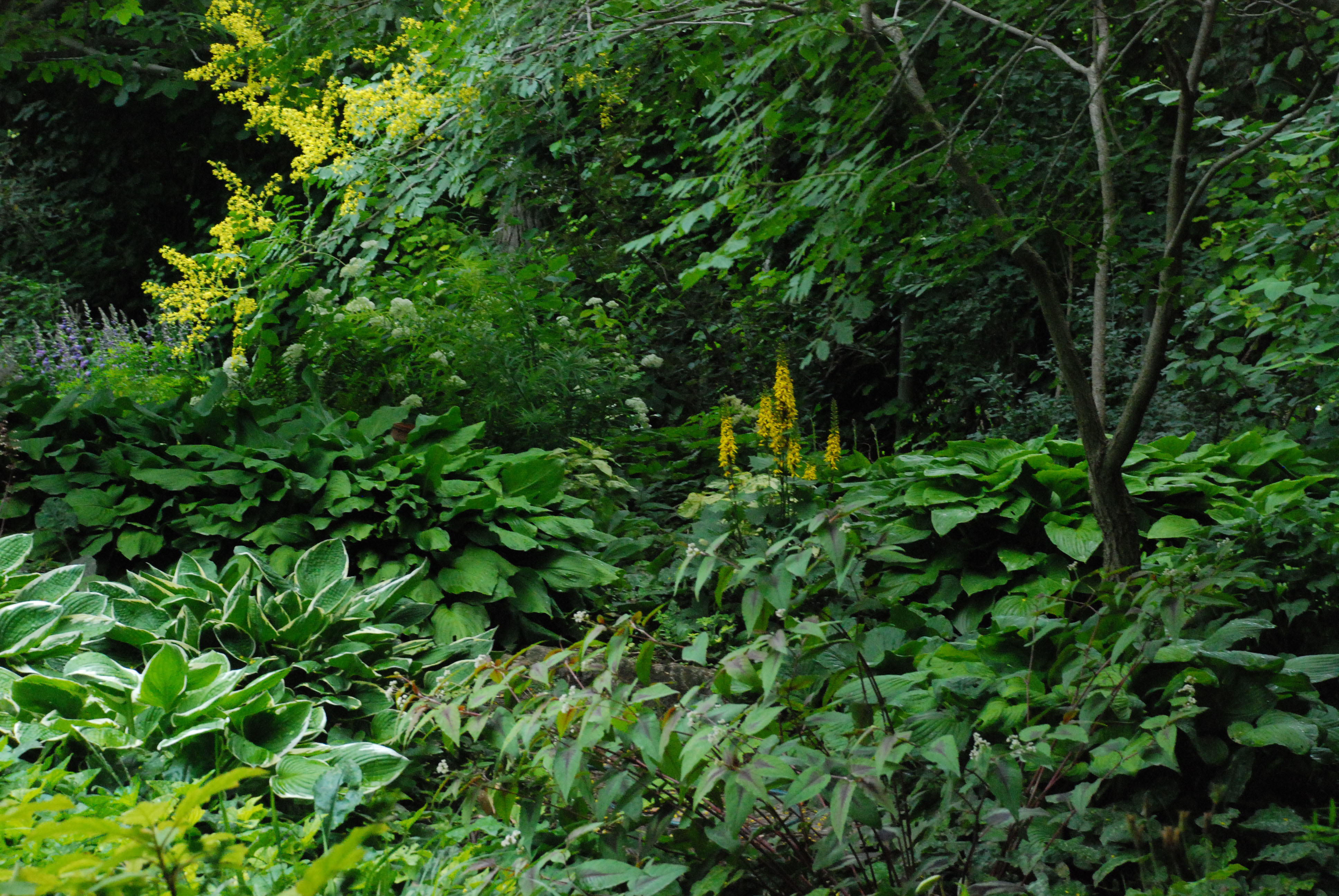
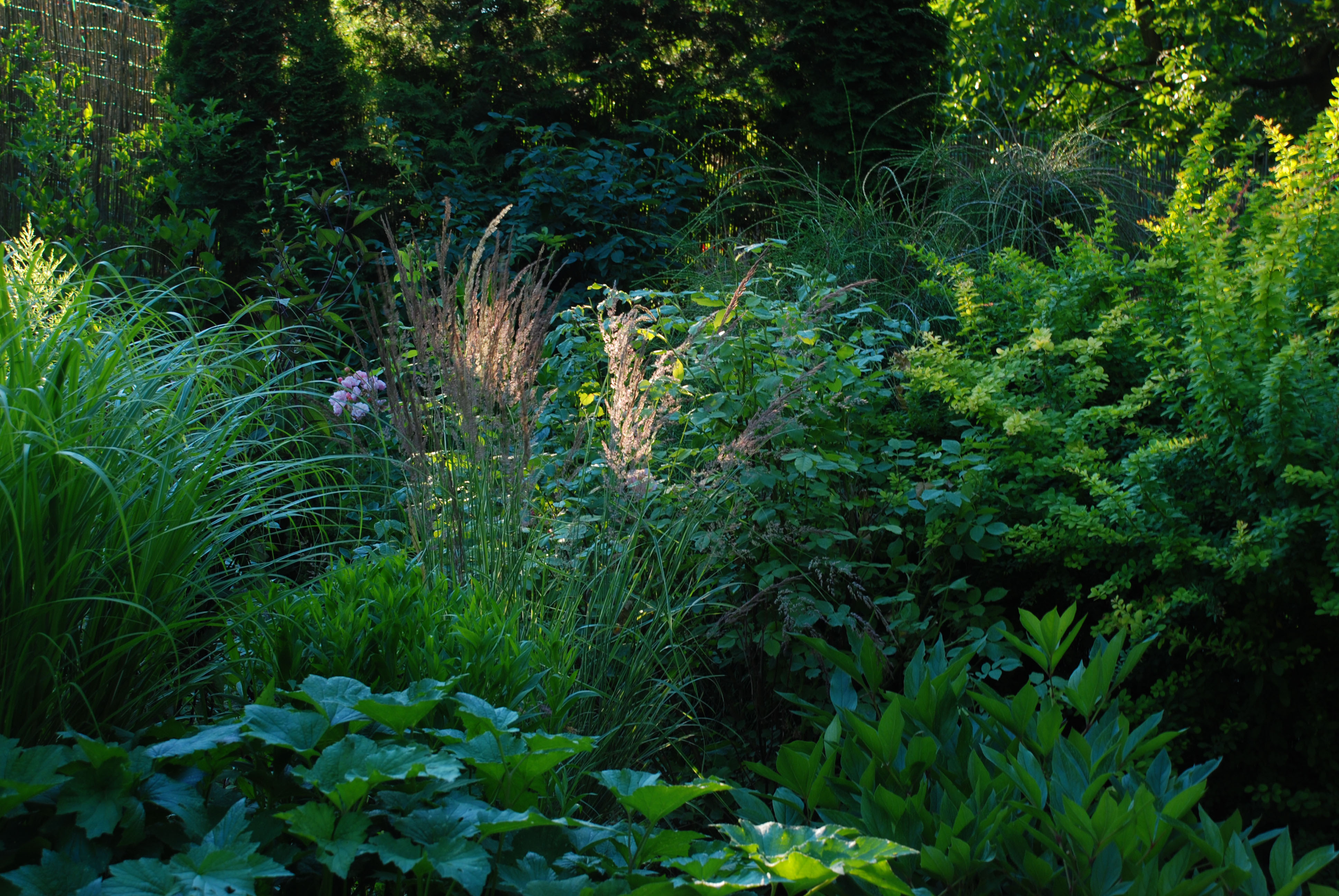
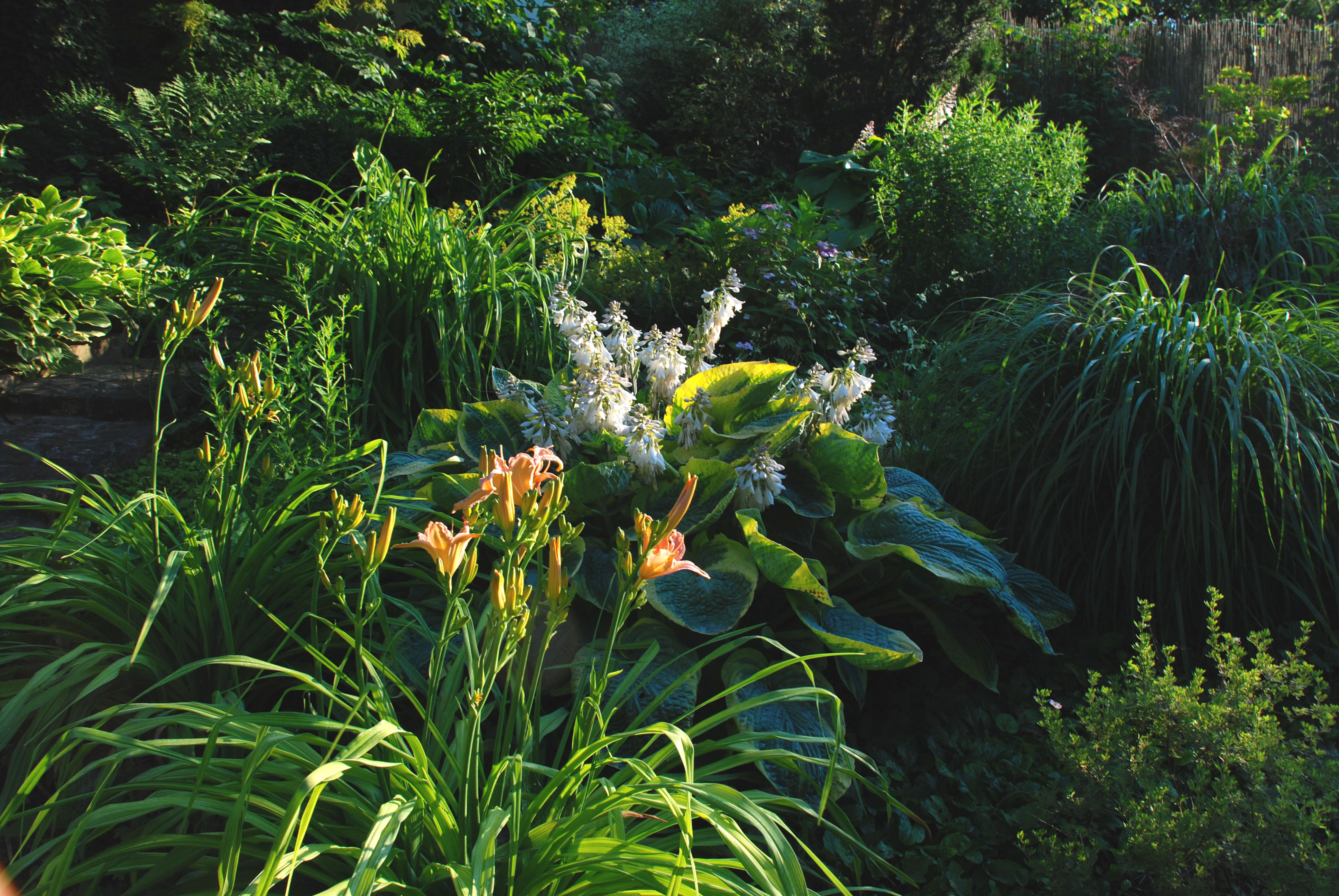
For example, this Lobelia sipilitica withered already a couple of weeks ago on a central place of the great upper bed.


Nevertheless it fits nicely into the overall picture.


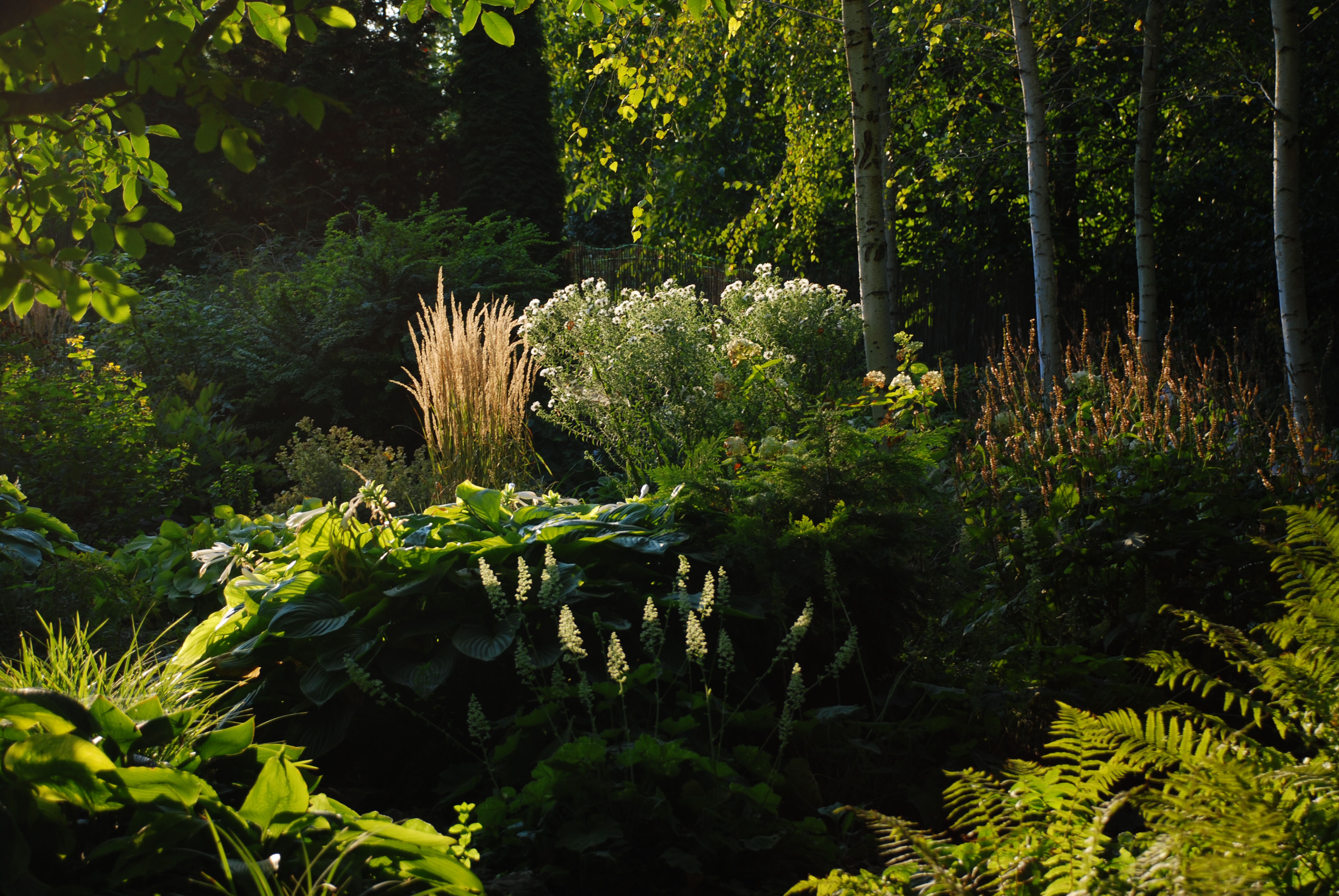
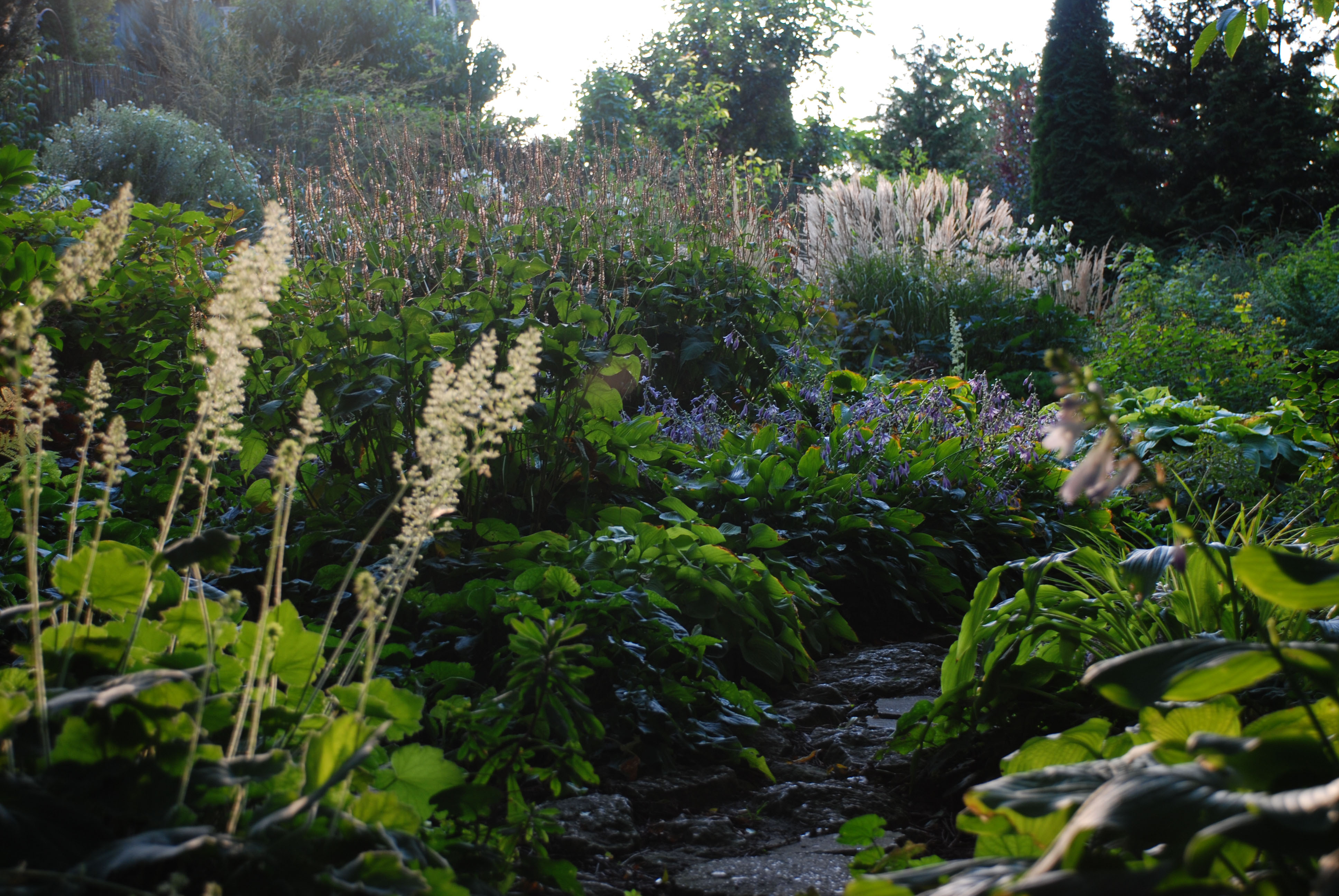
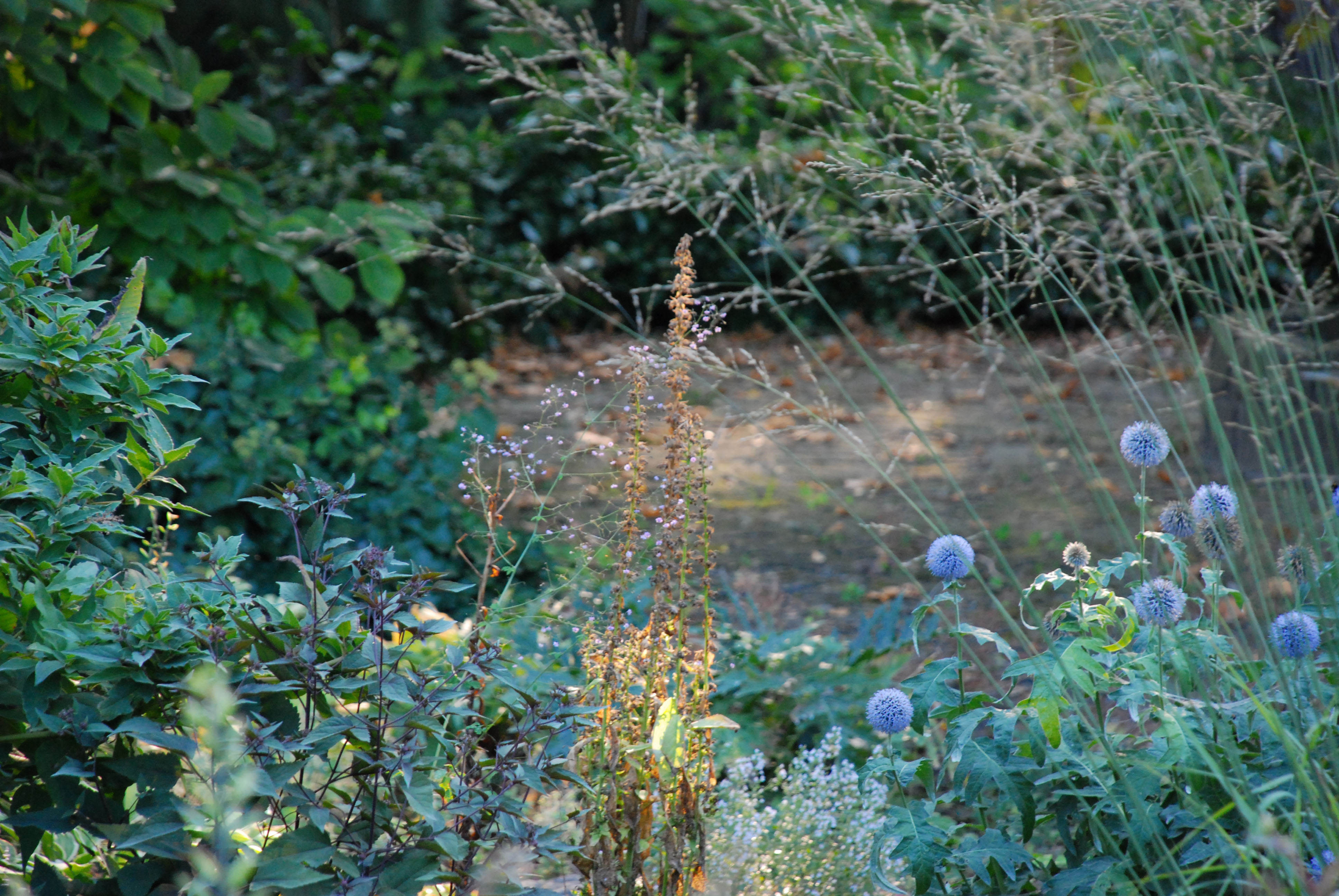
I was quite shocked when I first saw that in the beds designed by Piet Oudolf there was place for the withered flowers, too. In Oudolf’s beds these were always very nice.


I tried it several times, but in my garden the withered flowers always looked ugly out of their context. However, a couple of years ago I realized an important trick. These flowers look beautiful in beds which are not built on strong colors, but on the complexity of forms.

Saturday, September 17, 2011

Our French garden


I was looking for Coreopsis, this is how I found this picture and, following the link, the English language French garden blog Our French garden. Twenty years ago I was wandering just in this part of France, and I loved it very much. It was really good to see this region again, together with this creative sophisticated and elegant garden culture, which I did not yet know at that time.

Sunday, September 11, 2011

Spring bulbs via internet


I was looking for a tulip, and on this occasion I have found a couple of good web shops selling bulbs:

http://www.etterkft.hu/
http://www.viraghagyma.com/
http://www.tulipanvilag.hu/index.net?list=12&rc=1
http://www.tulipanshop.hu/
http://www.fexin.eu/

You are recommended to visit all of them, because the same plant is often offered for very different prices. Be sure to check the parameters of the plants over the web, because not each company has beautiful labels, but nevertheless they may sell very good plants. We, for example, bought most of our bulbs many years ago from Etter Kft where packing is not that beautiful, but they had very high quality plants for a very reasonable price. Many companies offer botanical tulips. Fosteriana, Kaufmanniana and Gerigii hybrids are just as large and beautiful as the other tulips, but you don’t have to pick them up every year, but you can (moreover, should) leave them in the soil, and they propagate well in the garden. By now I keep almost only such tulips.

Thursday, September 1, 2011

After the heat


I walk around the garden and take stock of the damages. Some years ago during a similar heat wave all Astilbes in the garden were destroyed. This time nothing died, but I had to realize again that I can keep in the garden only such plants which can withstand the sustained heat.


After Astilbes I also had to say goodbye to Ligularias, and now – with a terrible heartache – to a great part of Hydrangeas as well. To make these cold-loving plants look good, or at least not to get heat stroke in this heat, such an amount of watering would be needed which I cannot supply, but even if I could, it would certainly make the soil so desirable for pest fungi that it would be these latter to destroy the plants.


This extraordinary heat highlights that that there is an ecological limit which cannot be crossed: the heat tolerance of plants must be taken into account just as much as their tolerance of cold.

Saturday, August 20, 2011

Sunday, July 31, 2011

Upper flowerbed, left side, two views


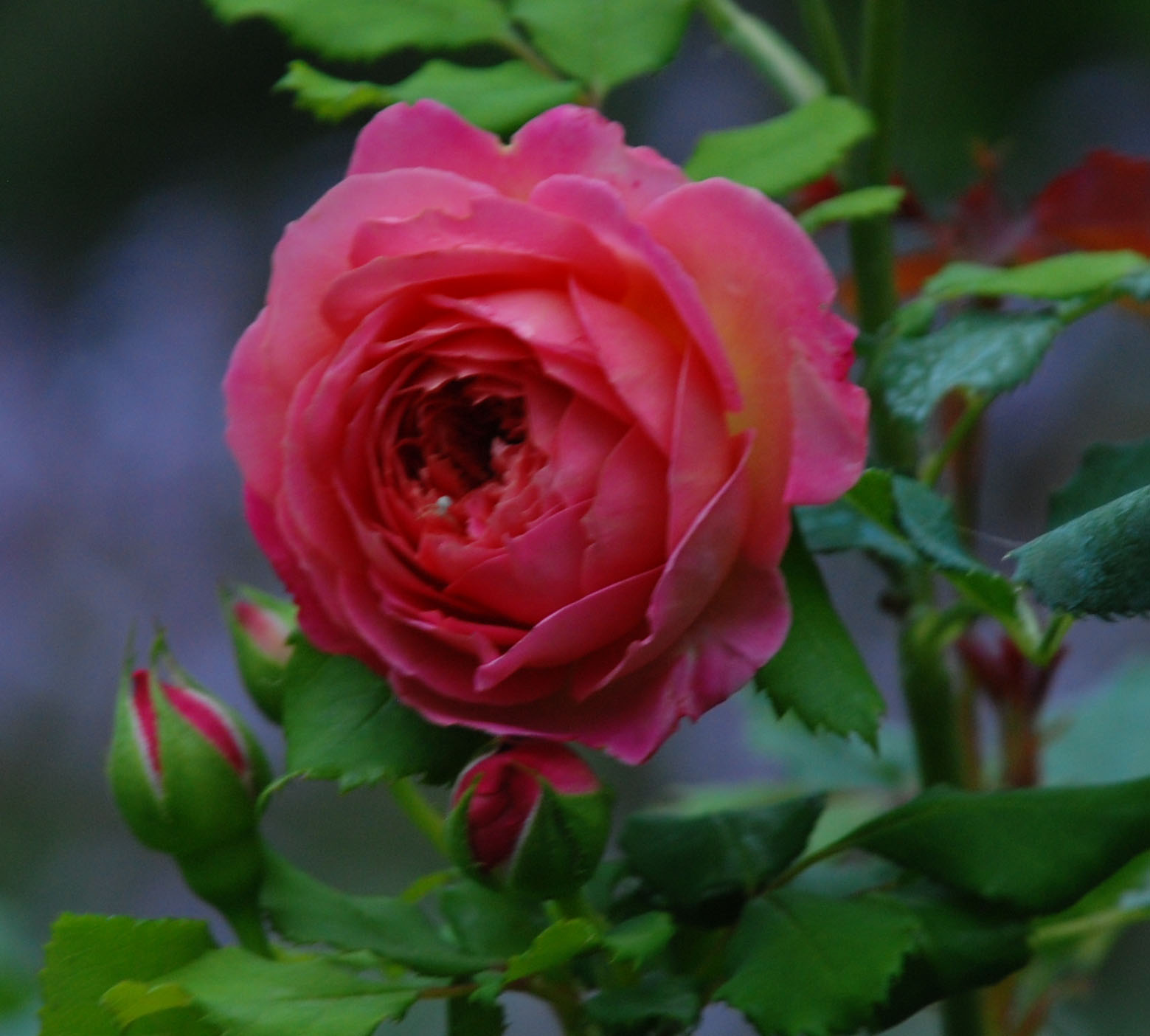
I have now finally managed to make a photo of it which shows the true color. This is one of our favorite roses. It is called Jubilee Celebration, and it grows at the bench next to the house.


This is what I see when sitting on the bench.


The same from the other side. Today I planted a few anemone, and I think that with this the bed is finally ready.


If you go nearer, this is the right side of the bed.


And this is the left side. The daylilies will soon finish blossoming, but then it will be the turn of the hosta, anemone and daisy, and they will endure until late autumn.

Sunday, July 24, 2011

Approaches


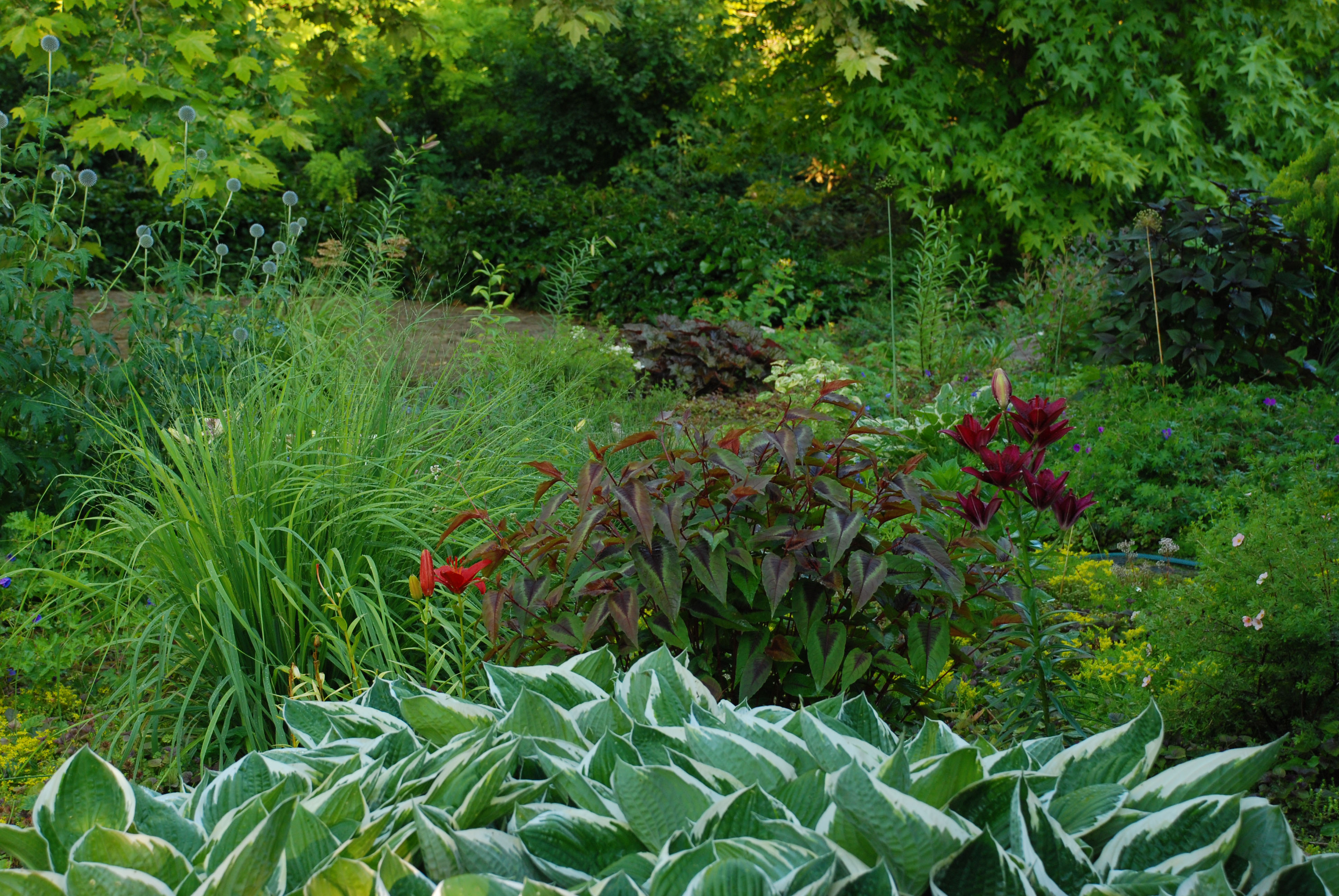
This is a composition which already shows what I would like. In the autumn I still have to change some elements in it, but I hope that later I won’t. Erika asked last week how I’m doing that my assemblies are always successful. Well, they are not always, but I do not give up, and I do it again and again in every place until I am satisfied with it.


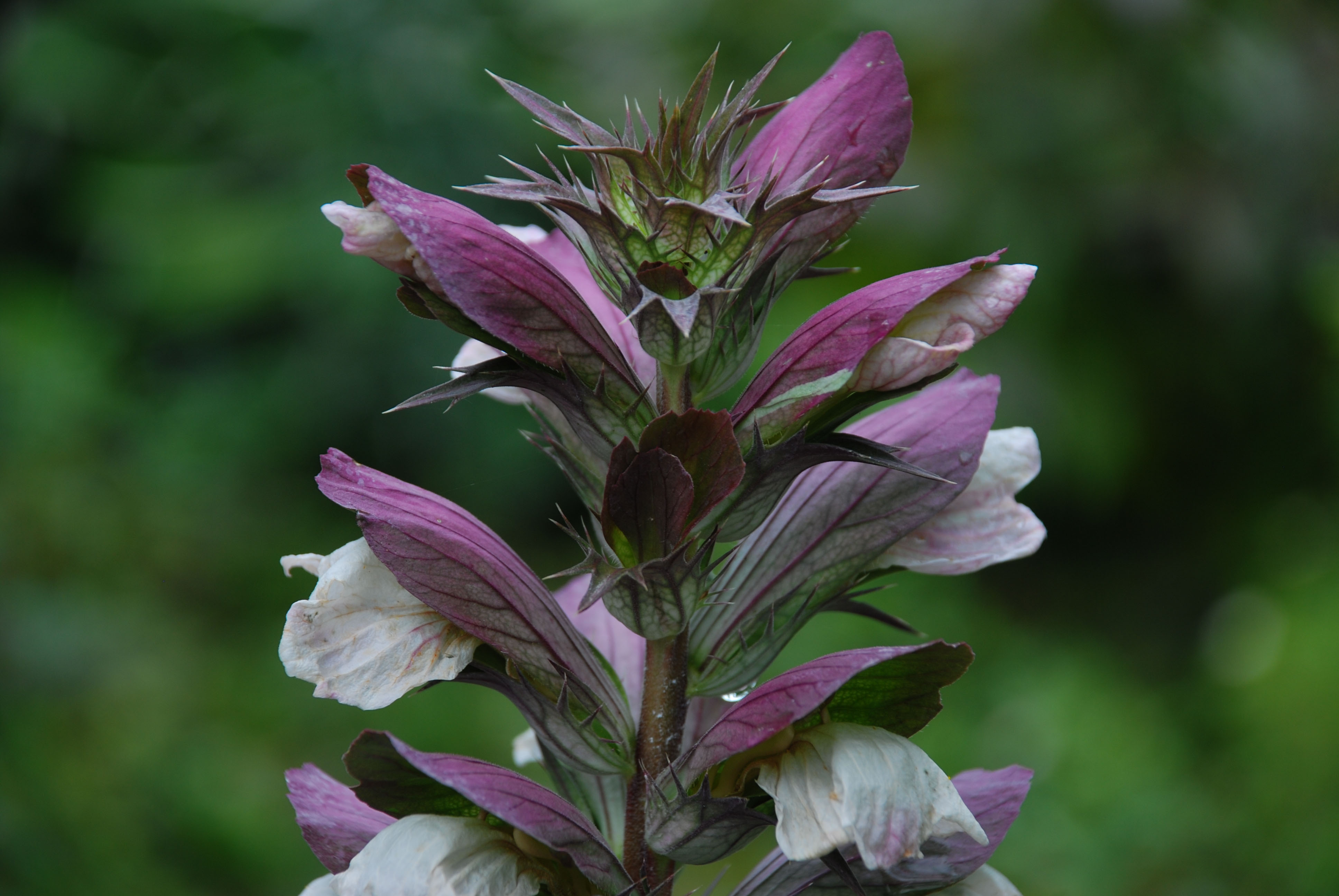
Some details from the same area. This is a close up of the flower of the often photographed Acanthus hungaricus.


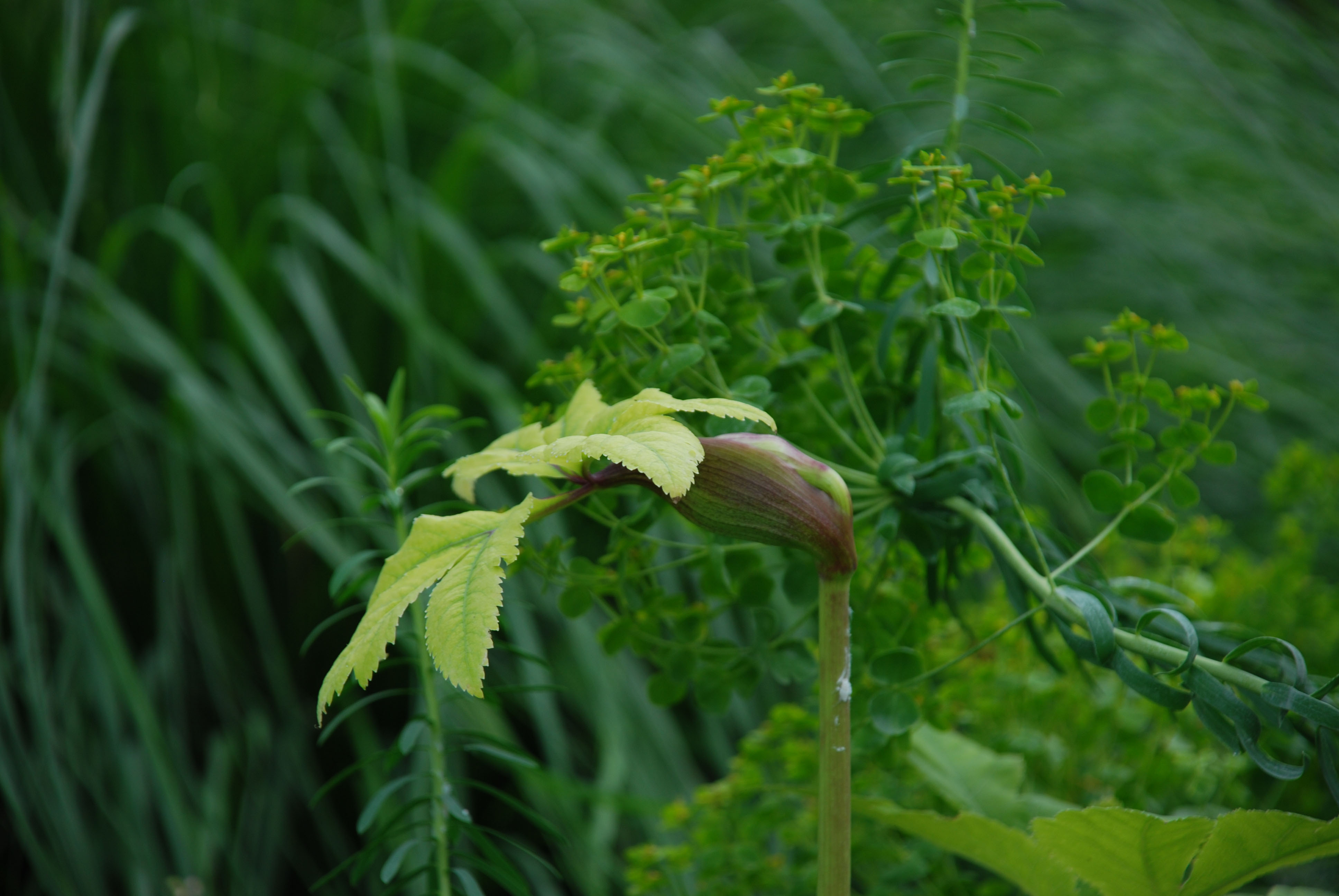
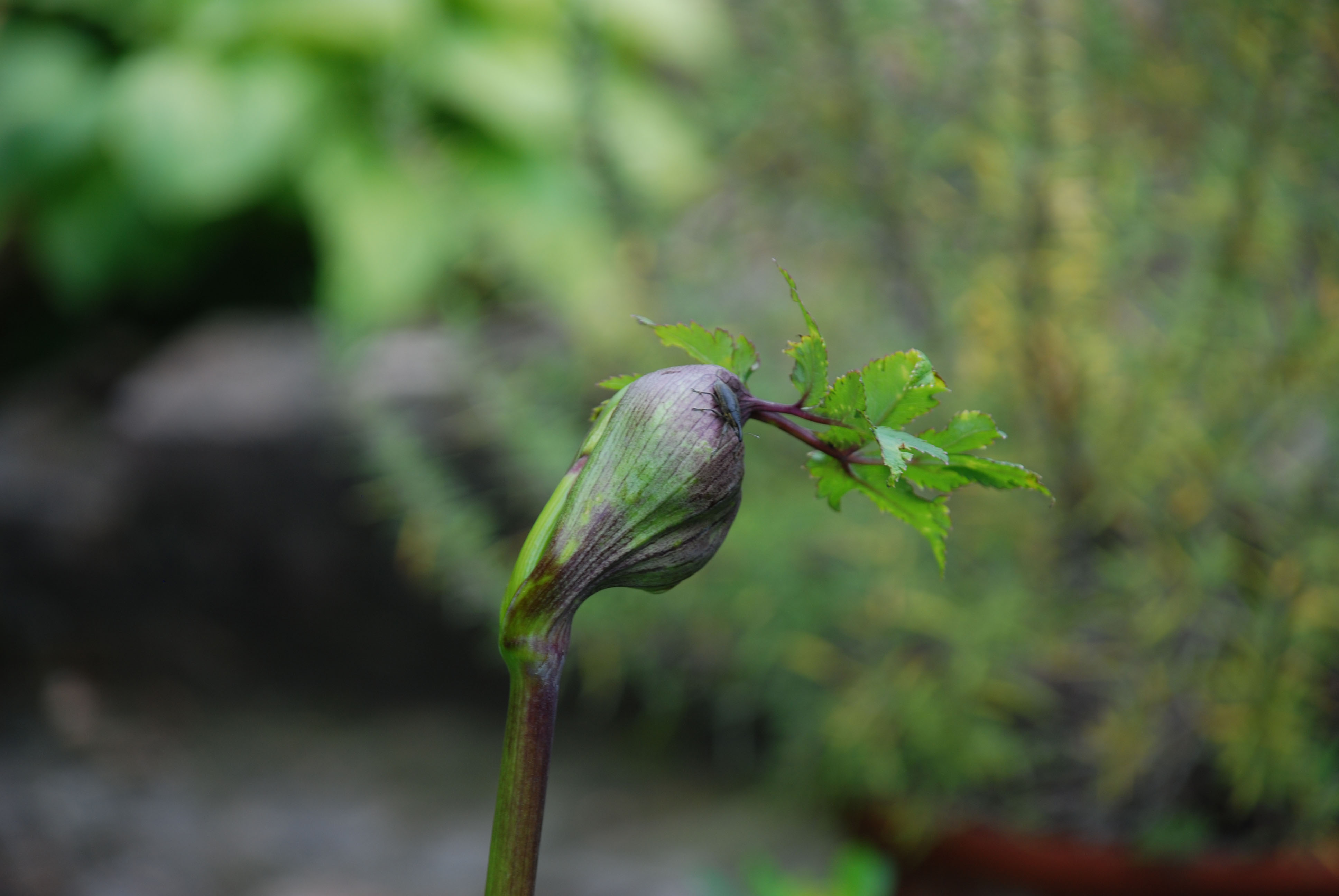
Angelica gigas. Already in the bud it is beautiful. When it will open, it will have eggplant-colored flowers. It is short-lived, but as such perennials in general, it strongly scatters its seeds.


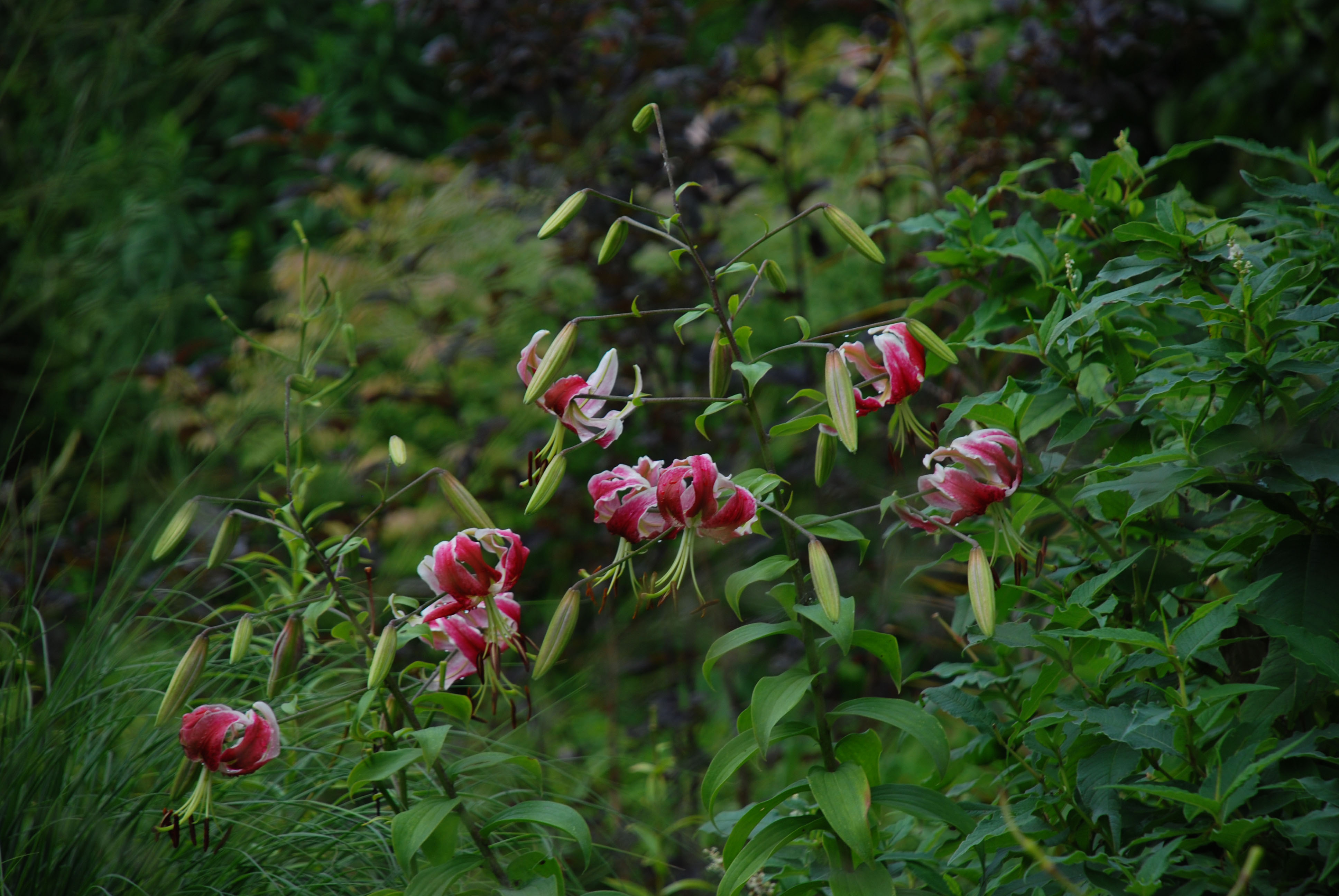
This is Lilium martagon. I regard it fabulously beautiful, and it is one of the easiest-to-keep lilies at us.


This is a Solidago virga aurea hybrid, called Citronella, from the Hegede Nursery. Its main attraction is that it does not spread and blooms even in part-shadow.


Eupatorium rugosum 'Chocolate'. It feels well from full sun to full shade, but it requires lots of water.


Sedum 'Matrona'. It basically fits warm, dry places, but it is so tolerant that even lives at us.


Persicaria virginiana 'Painter's Palette' is absolutely not as fastidious as one would think on the basis of its leaves. It requires semi-shade or shade, and well-watered space, but apart from this, it is very tolerant: we have the whole garden full of it. I have seen it in the Mocsáry Nursery, but I do not know whether they already sell it or just experiment with it.


Two more Angelica gigas.


And another beautiful ornamental letter: Persicaria microcephala 'Red Dragon'. Zsuzsa Hegede said a couple of years ago that they have lot of them, but nobody buys them. I don’t know whether the situation has changed since then, but it is worth to ask them.
Sunday, July 3, 2011

Sunday, June 26, 2011