Saturday, January 30, 2010

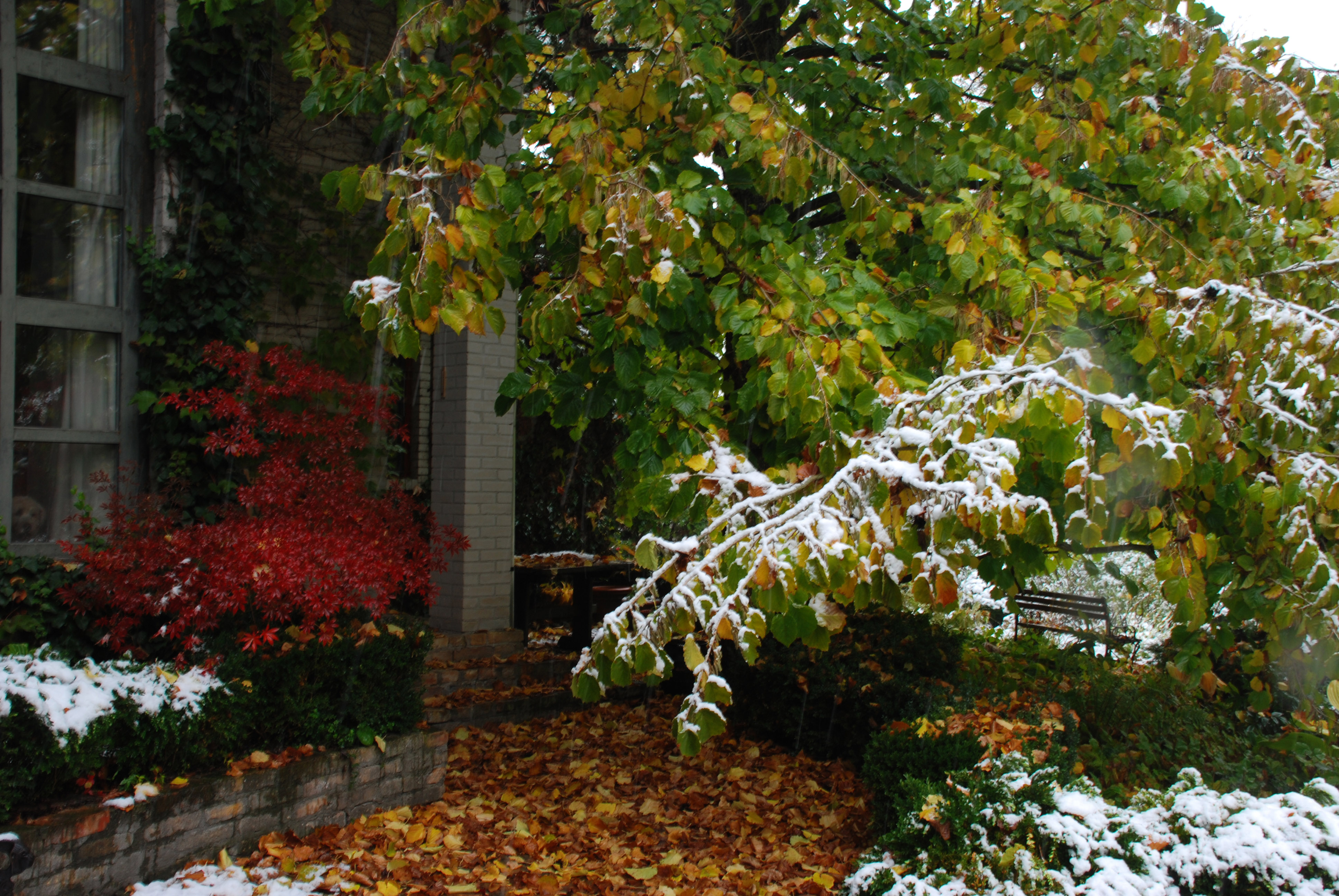
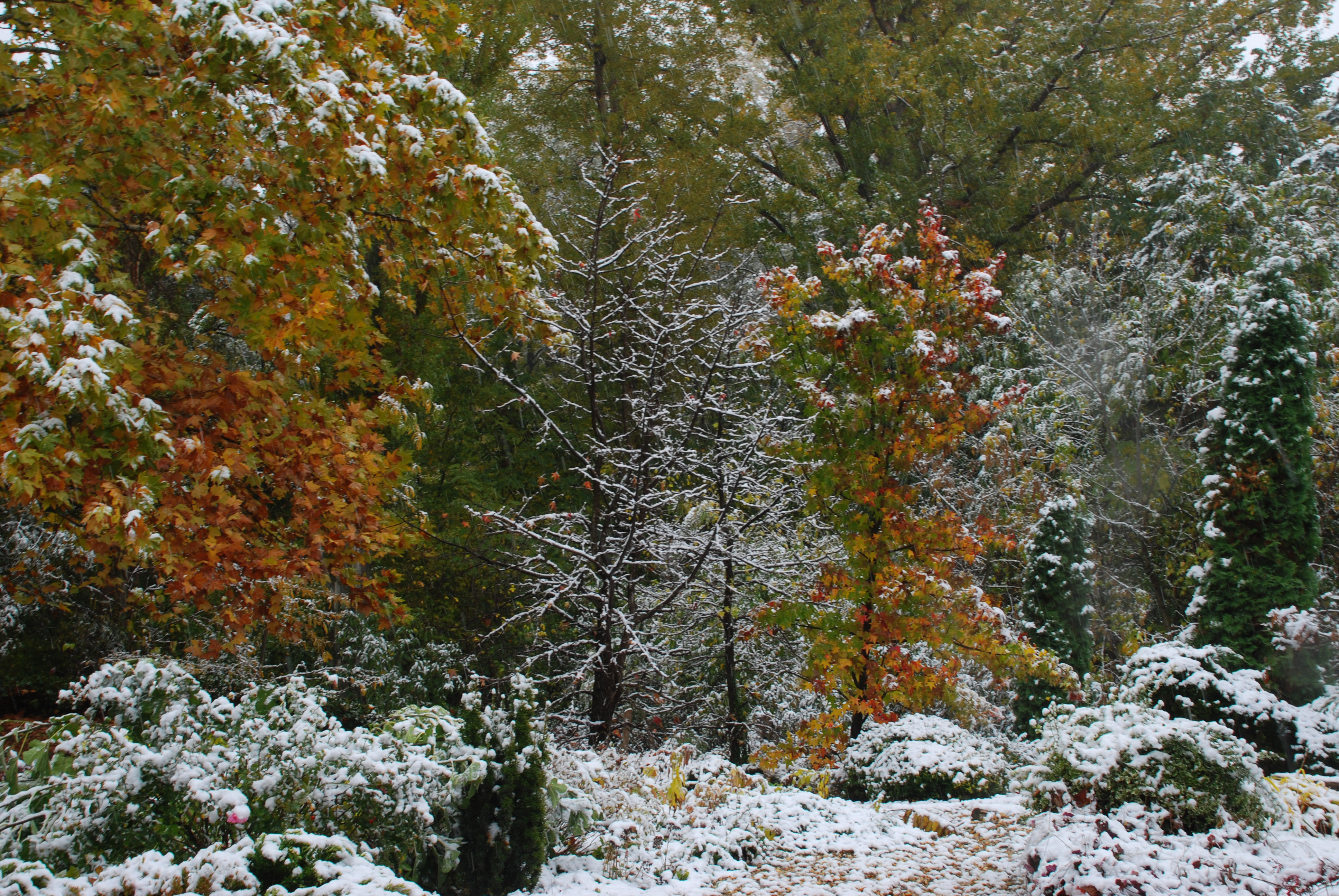
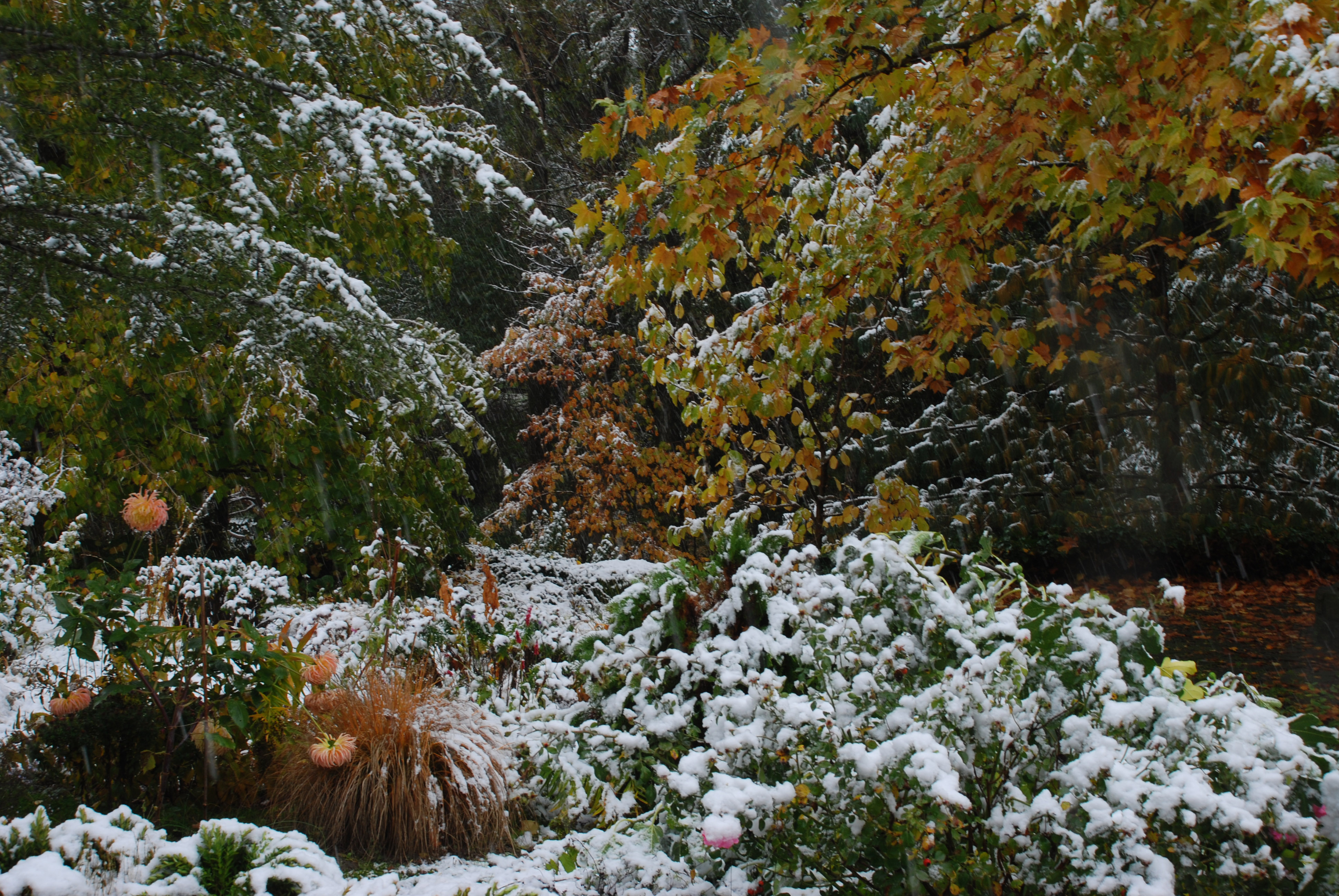
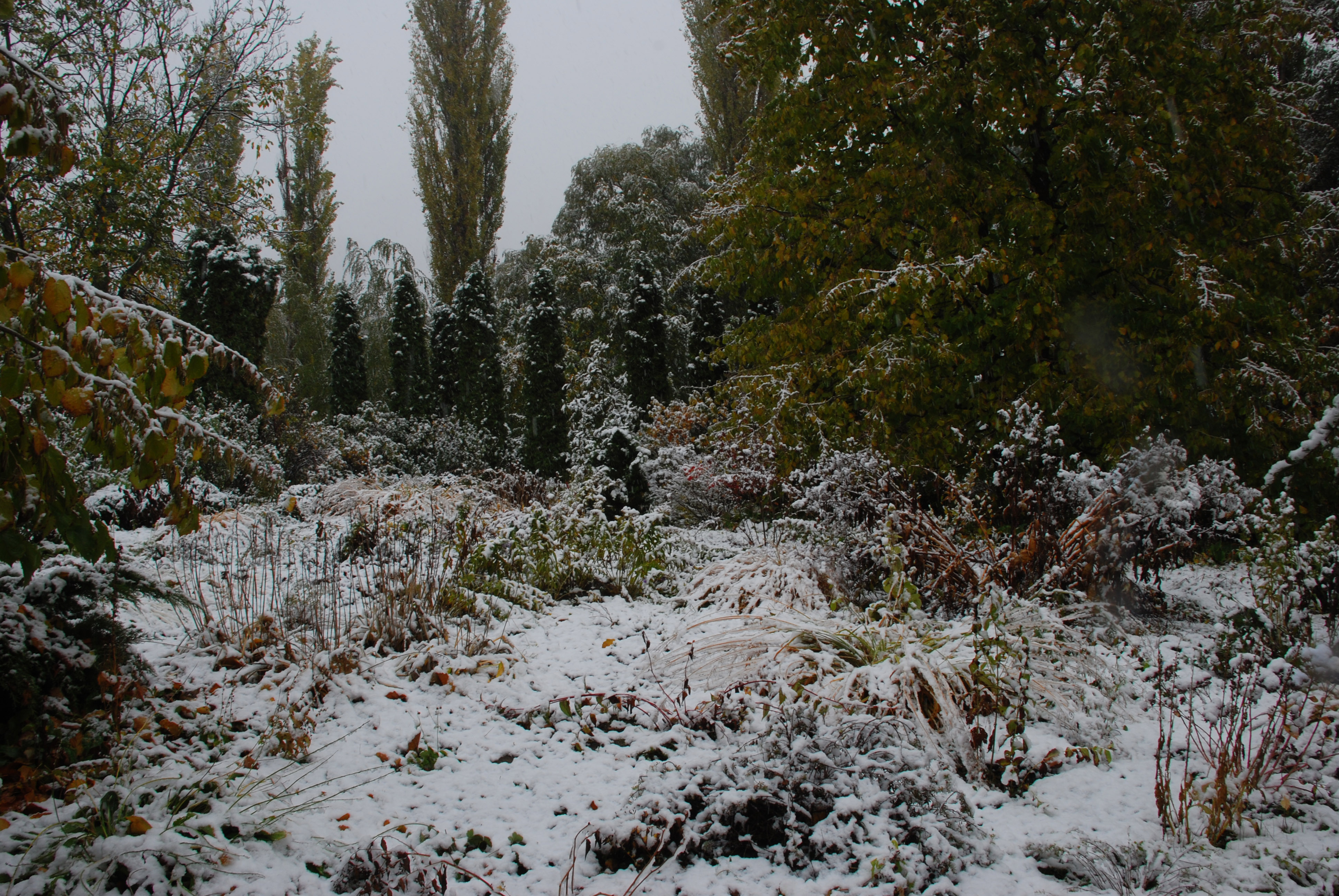
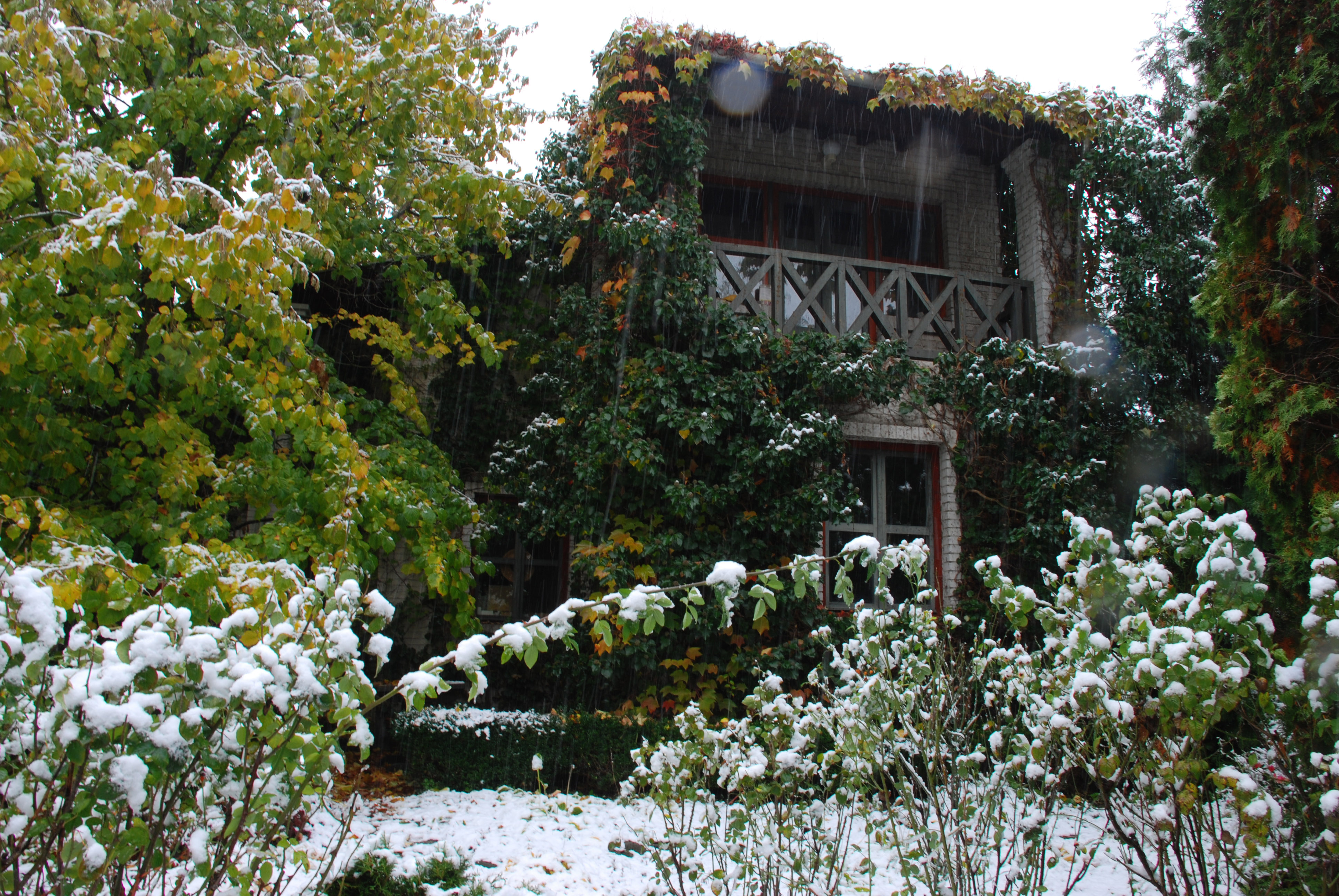
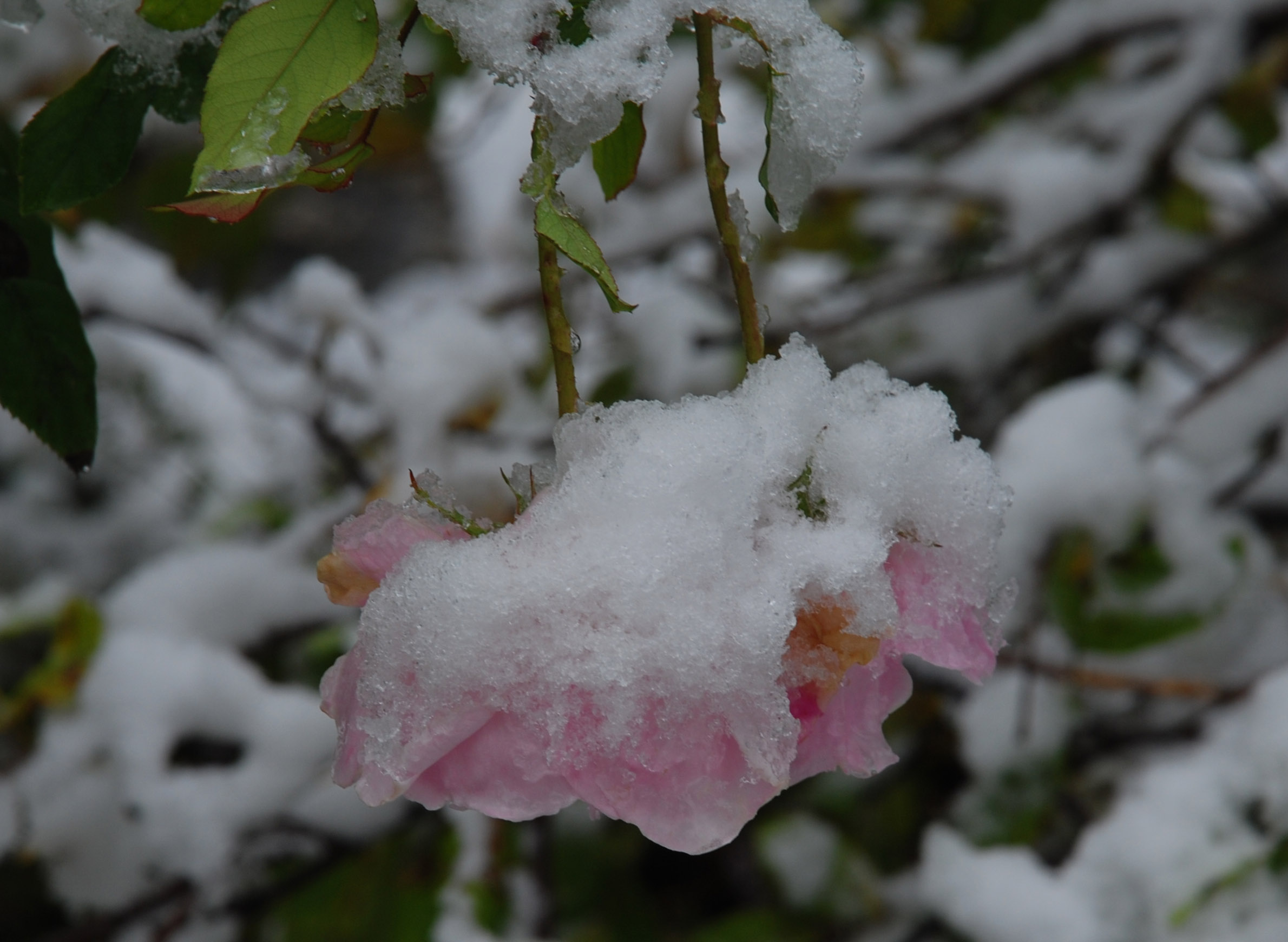
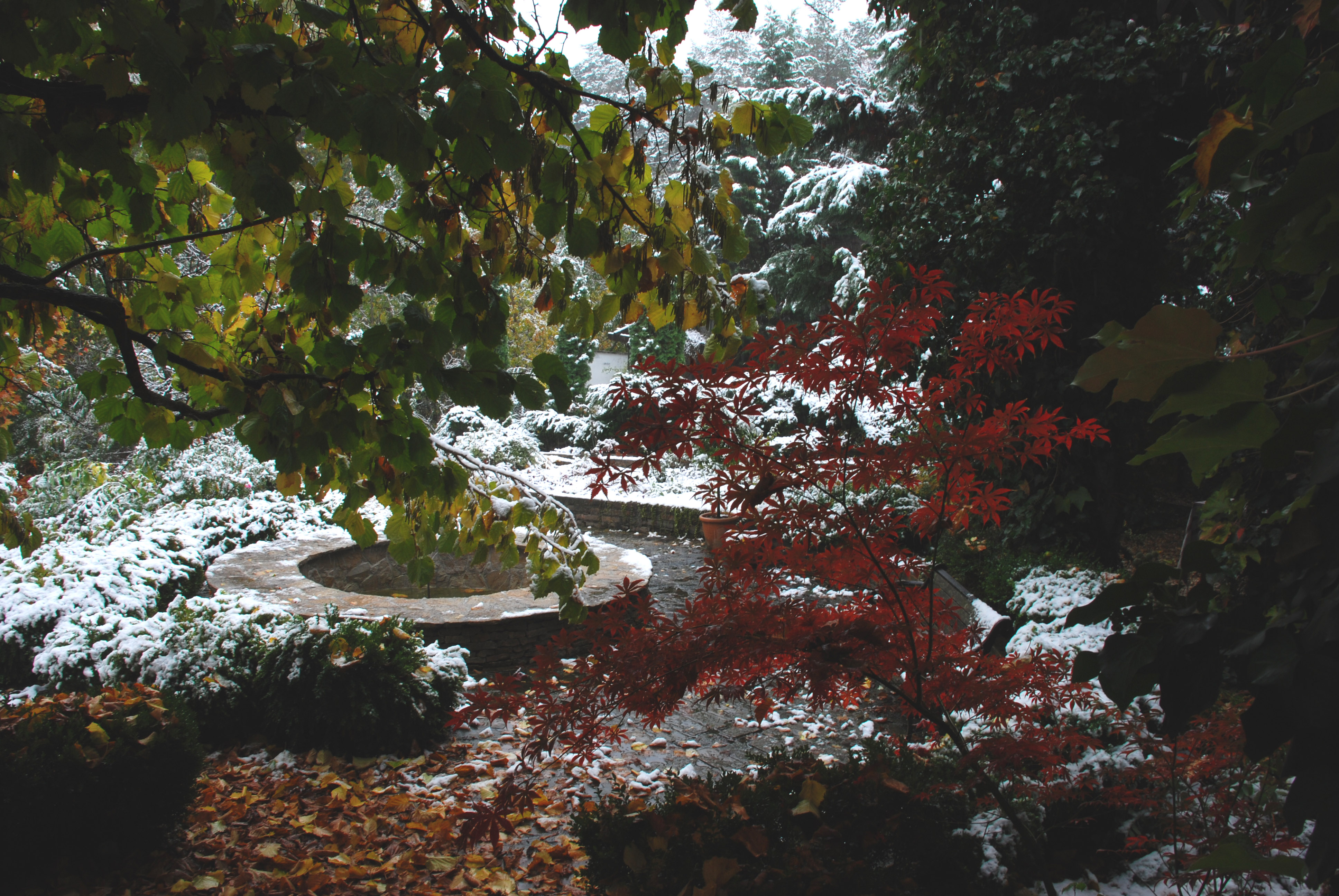
Snowfall

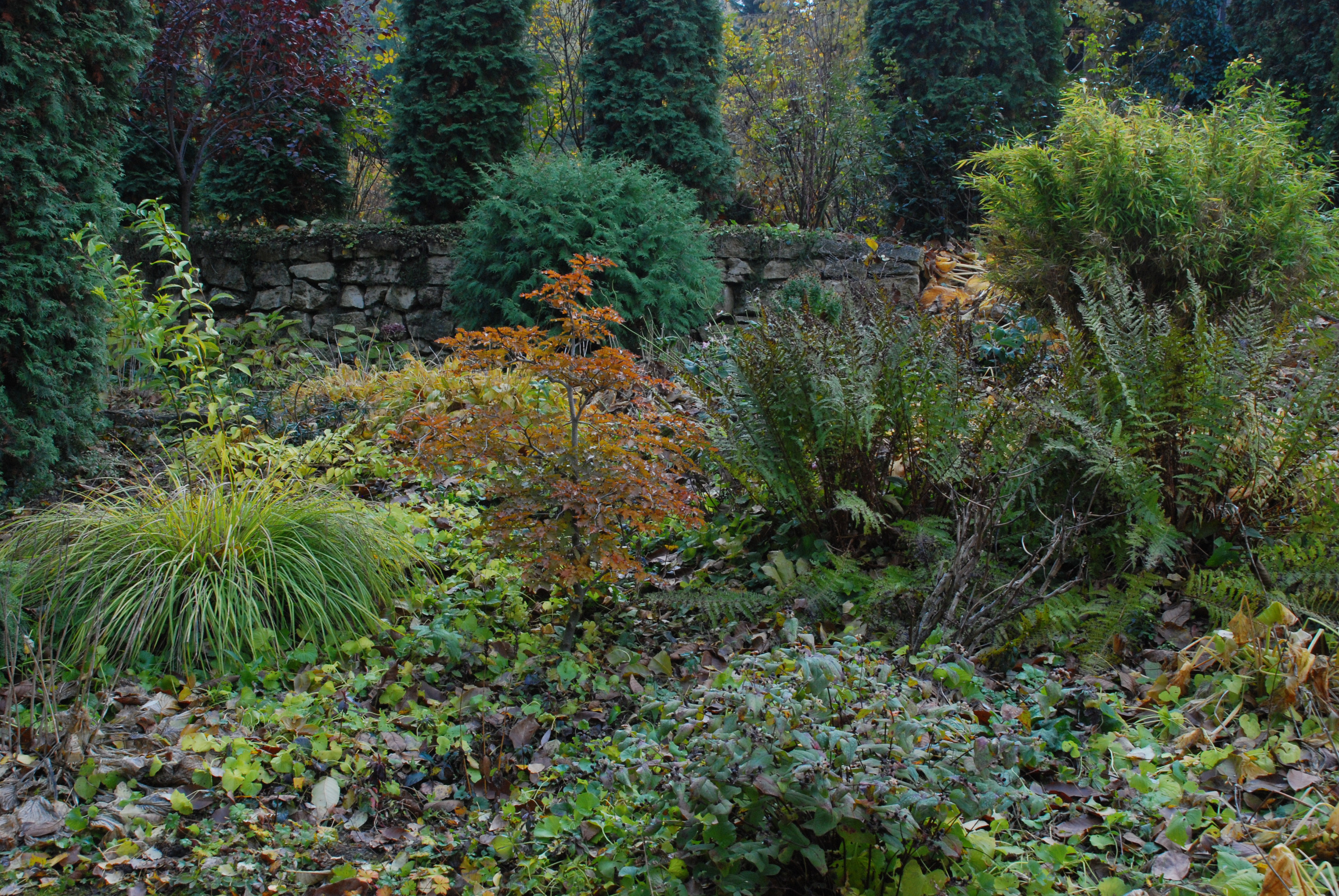
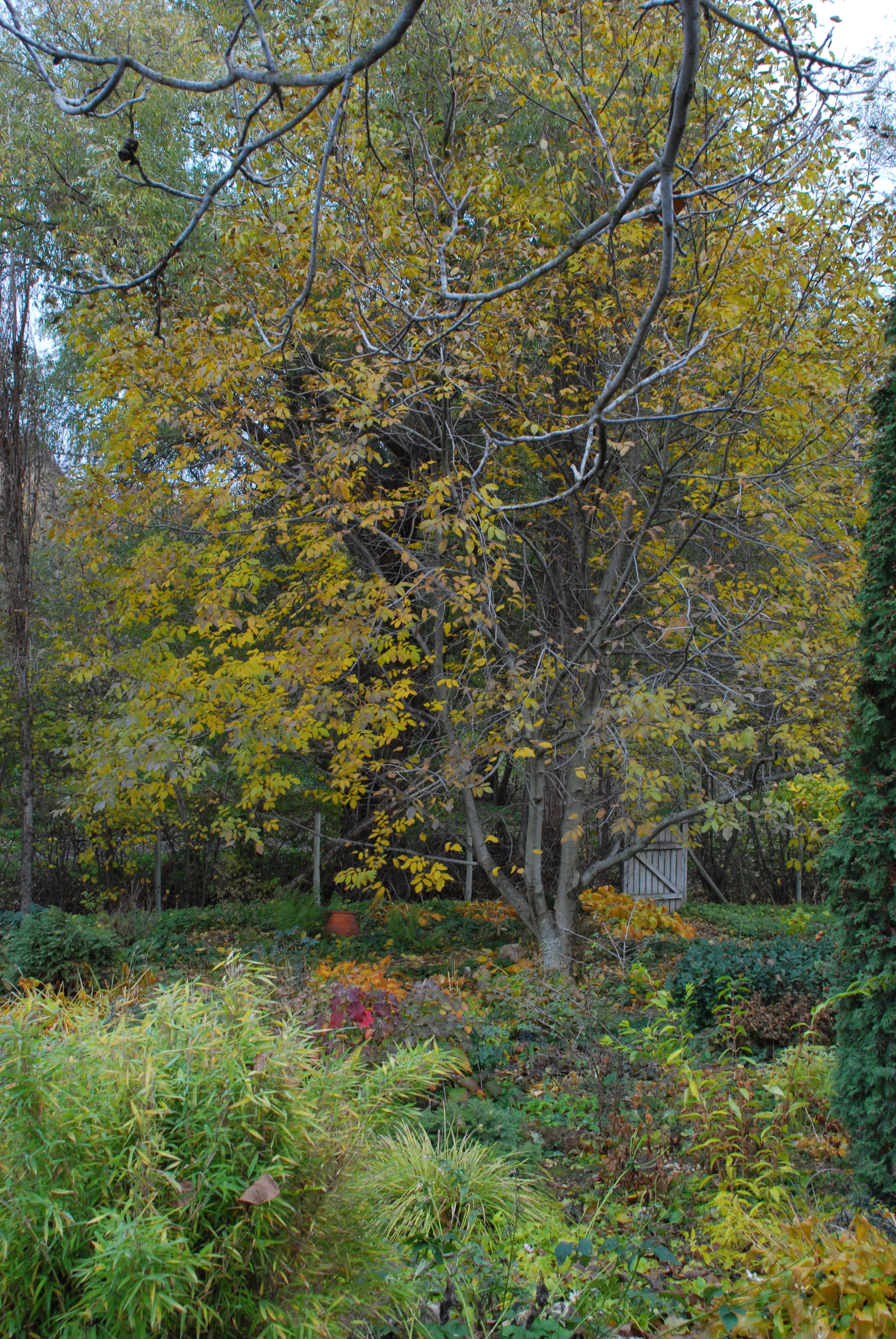
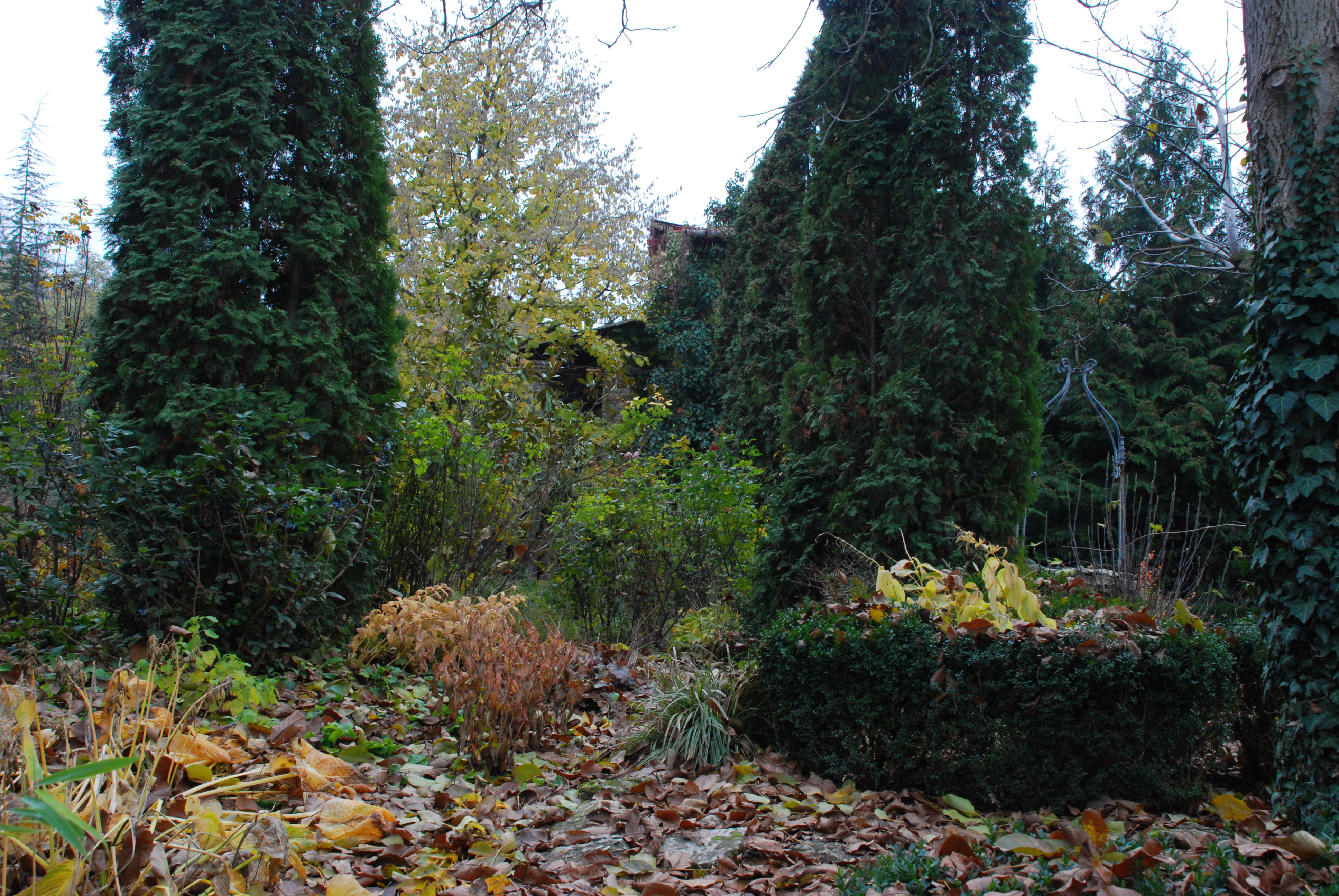
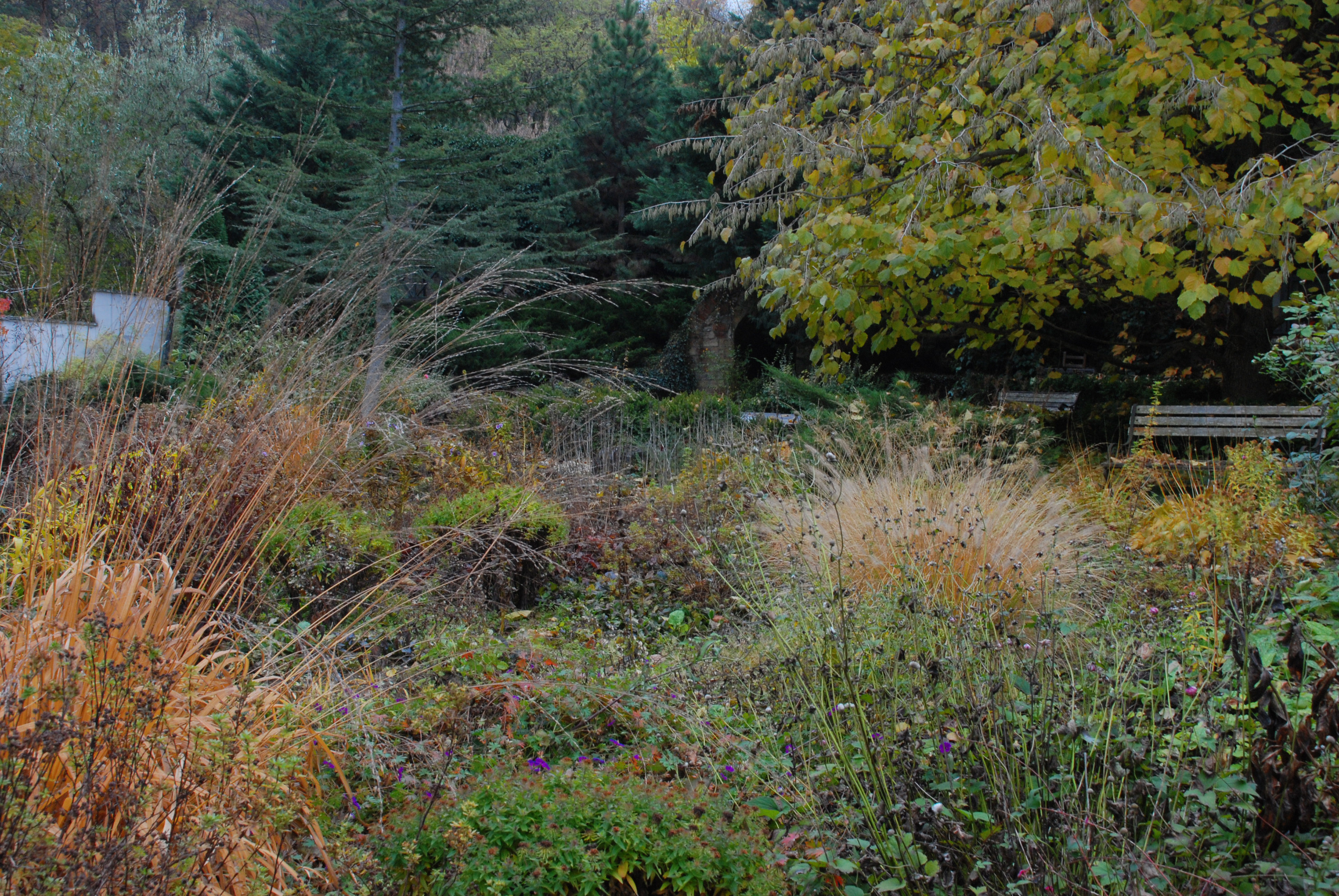
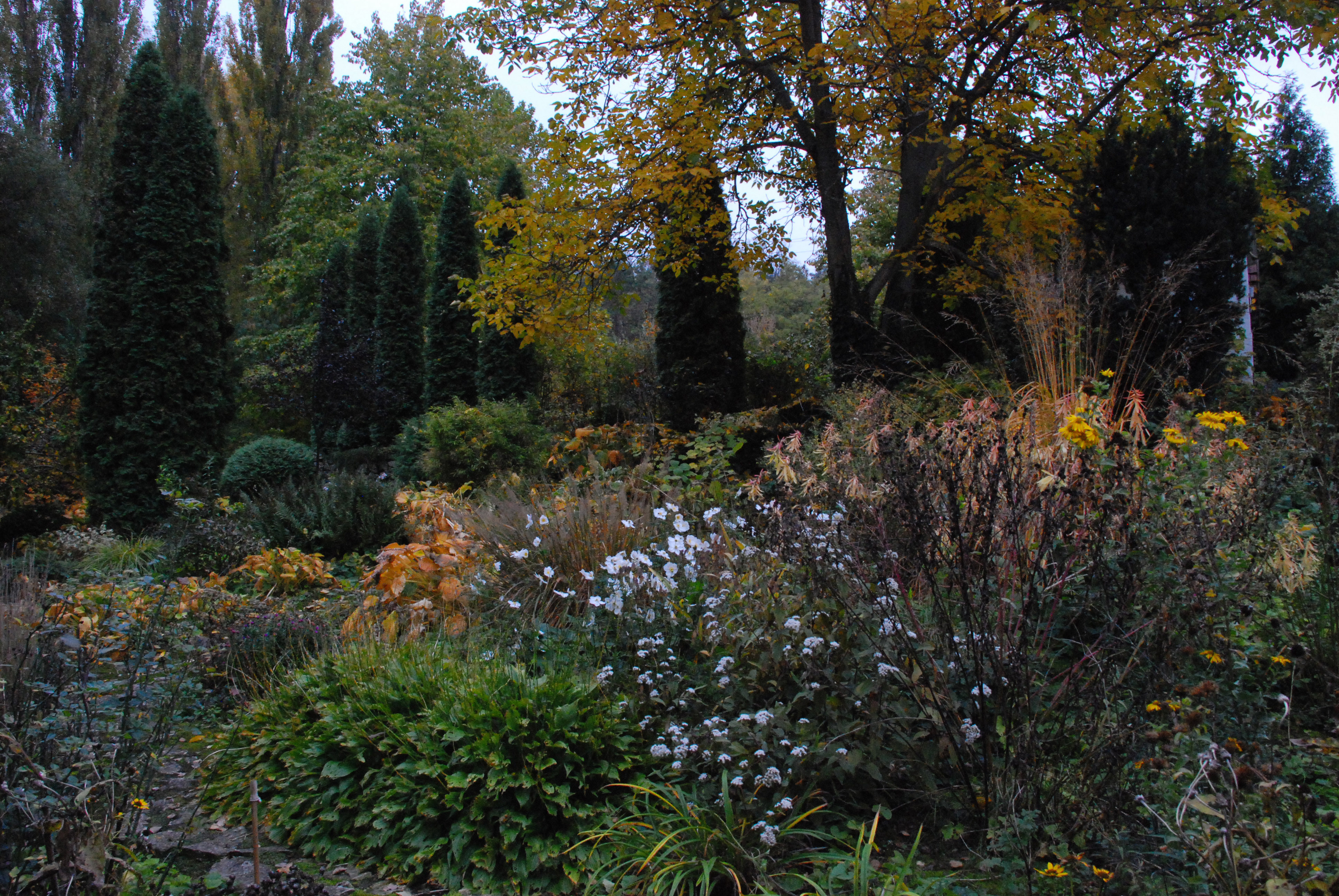
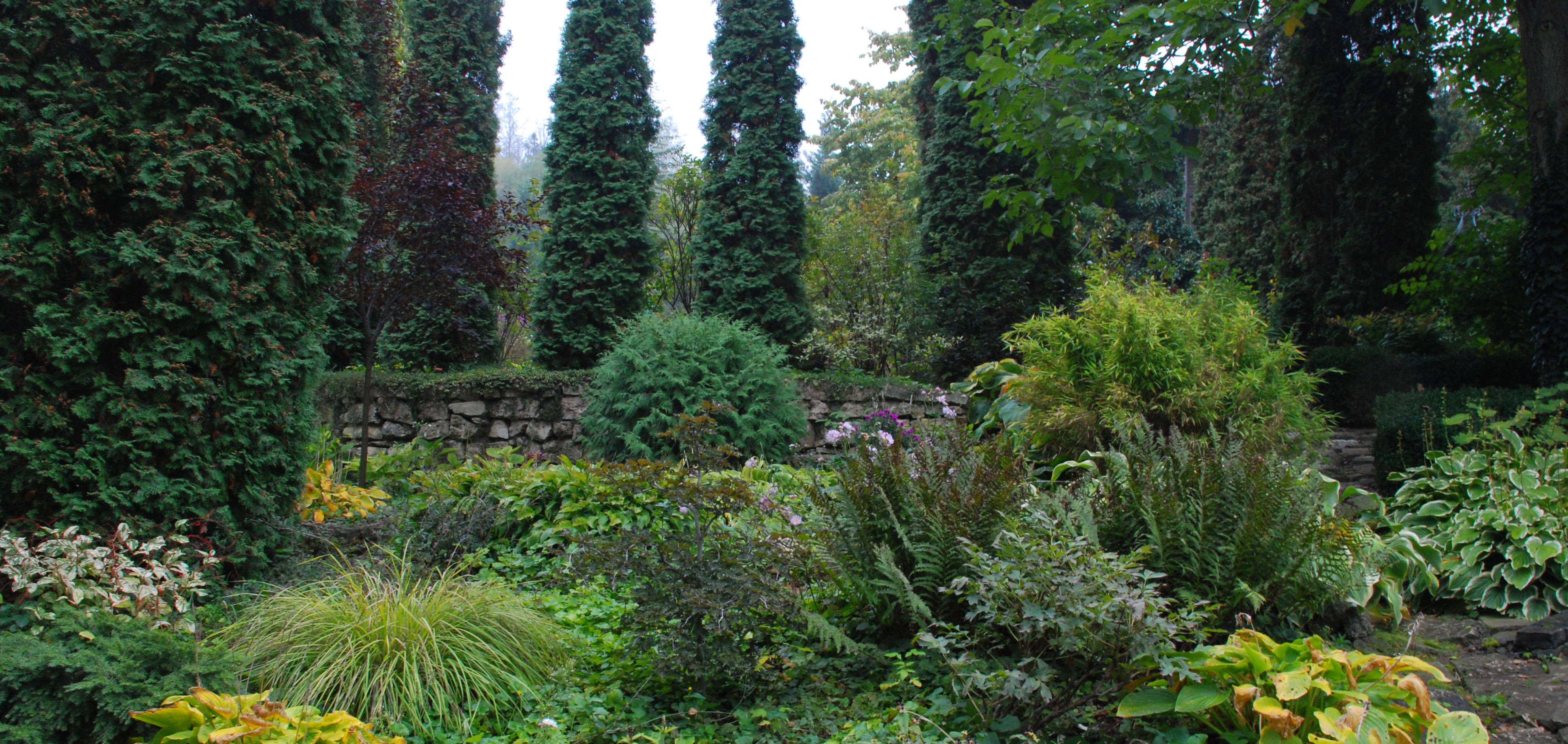
Two feet of snow has fallen since last night.

Wednesday, January 27, 2010

2009

The album of This Was 2009 In The Garden has been published in Hortus Carmeli. Have a look at it!

Saturday, January 9, 2010

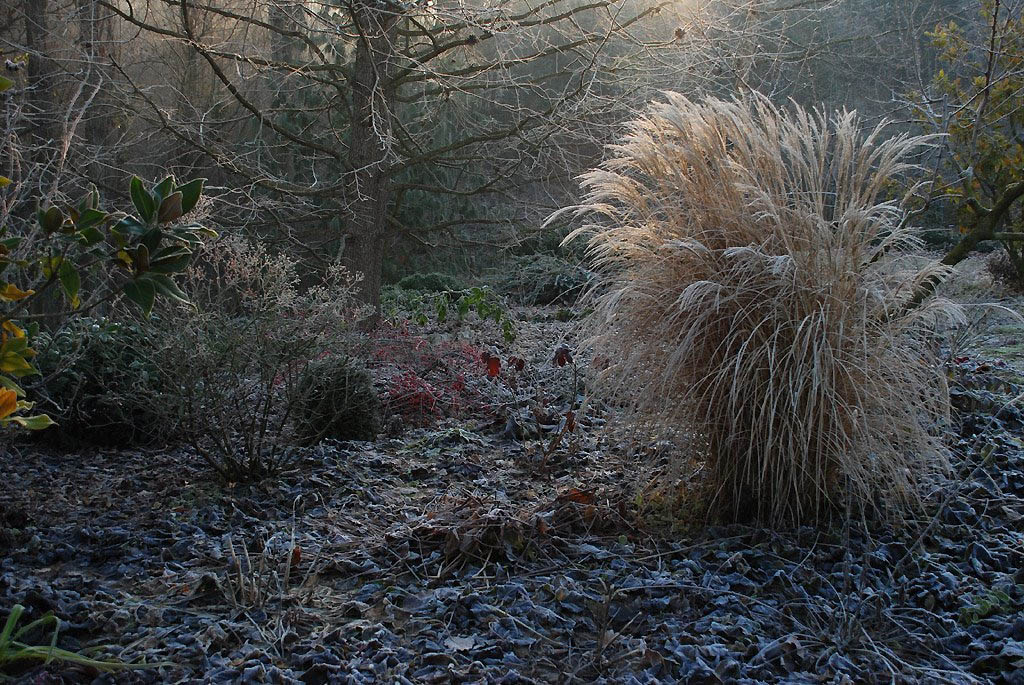
Morning lights

Thursday, December 31, 2009

Have a Blessed and Happy New Year!

Friday, December 25, 2009

Have a blessed Christmas!

"... who, though he was in the form of God, did not count equality with God ( a thing to be grasped, but) made himself nothing, taking the form of a servant, being born in the likeness of men. And being found in human form, he humbled himself by becoming obedient to the point of death, even death on a cross. "
(Fil 2, 6-8.)

Sunday, December 20, 2009

The first snow

Friday, December 18, 2009

Middle of December

Tuesday, December 15, 2009

Happy birthday!

Sunday, December 6, 2009

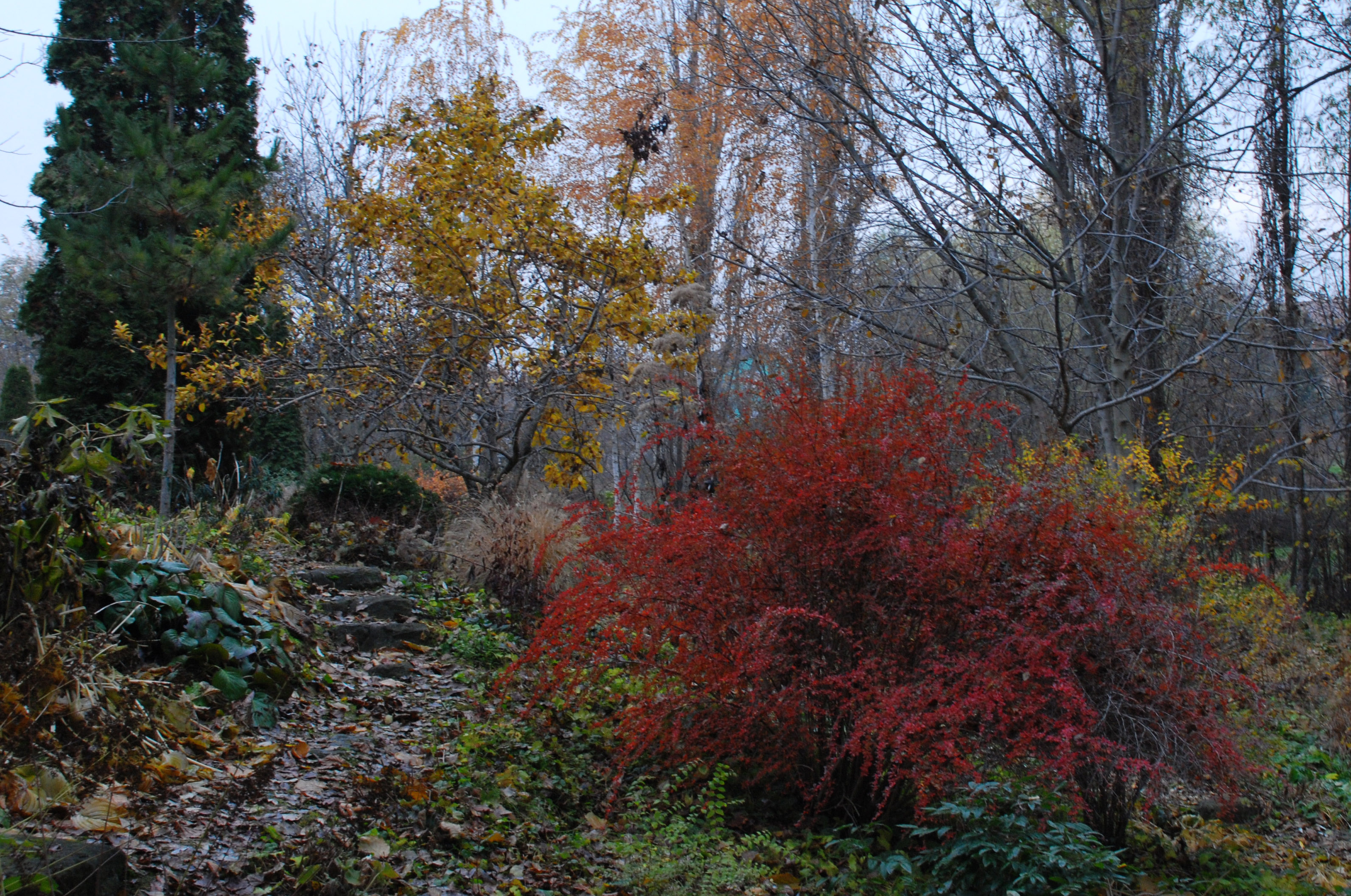
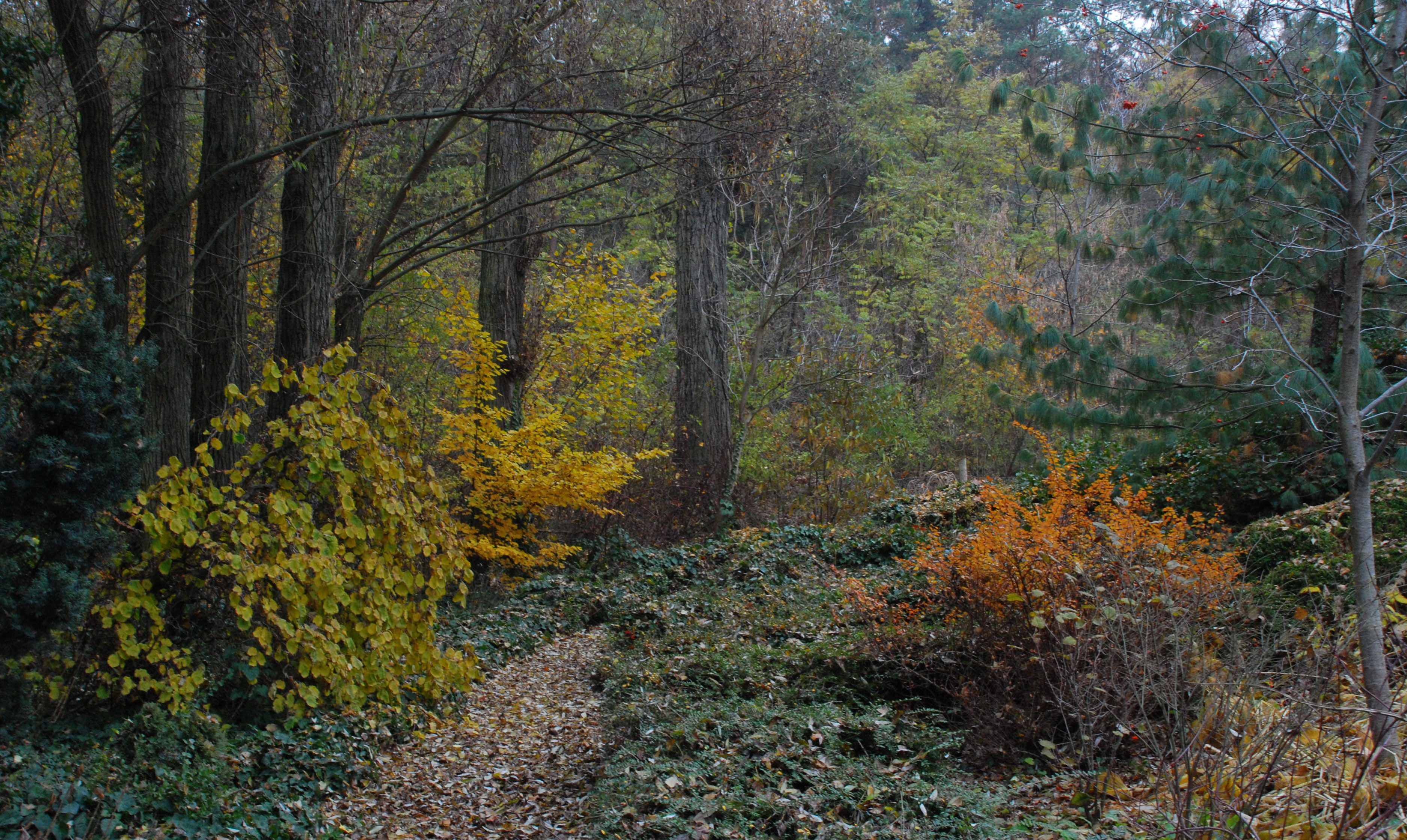
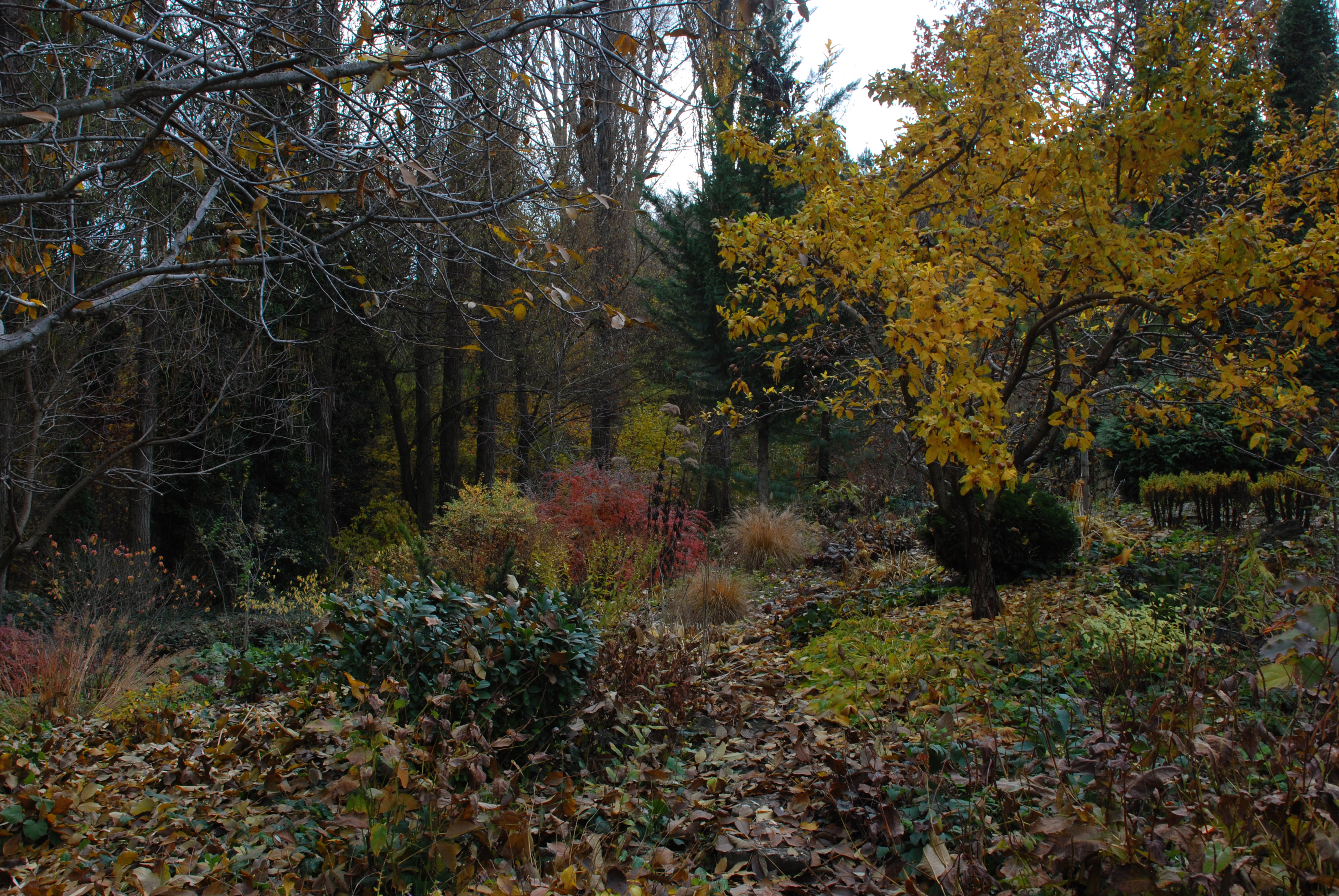
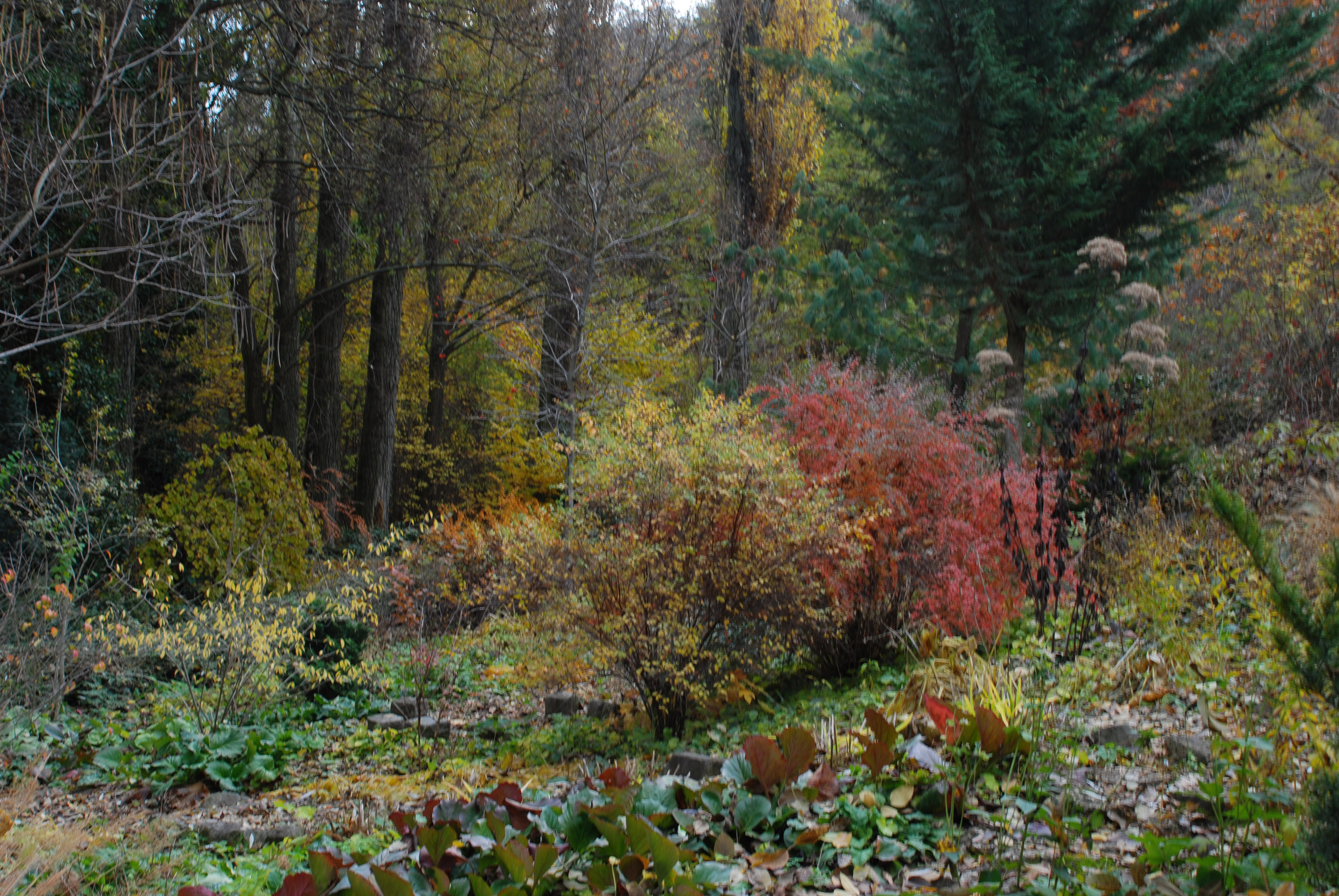
Late November colors

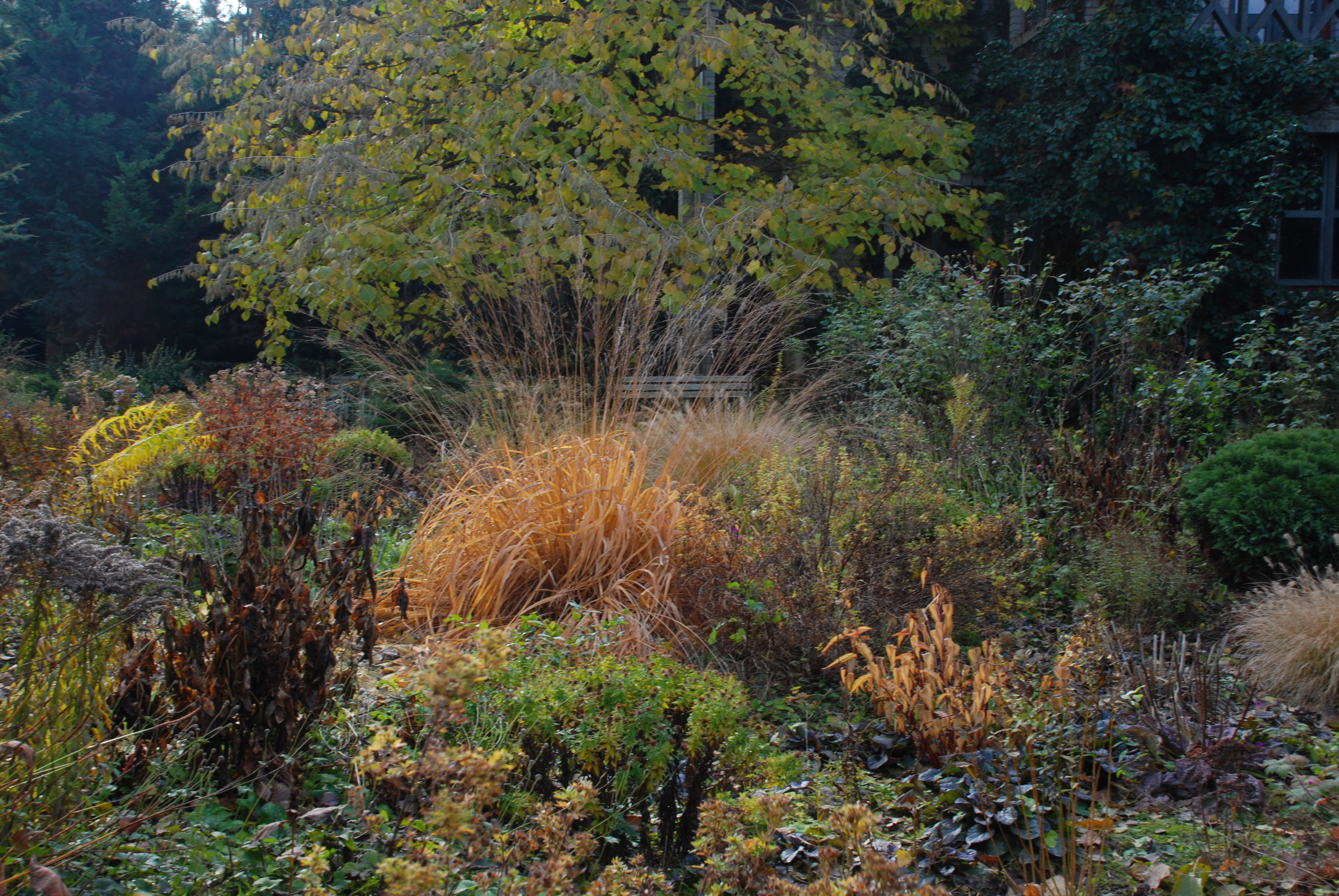
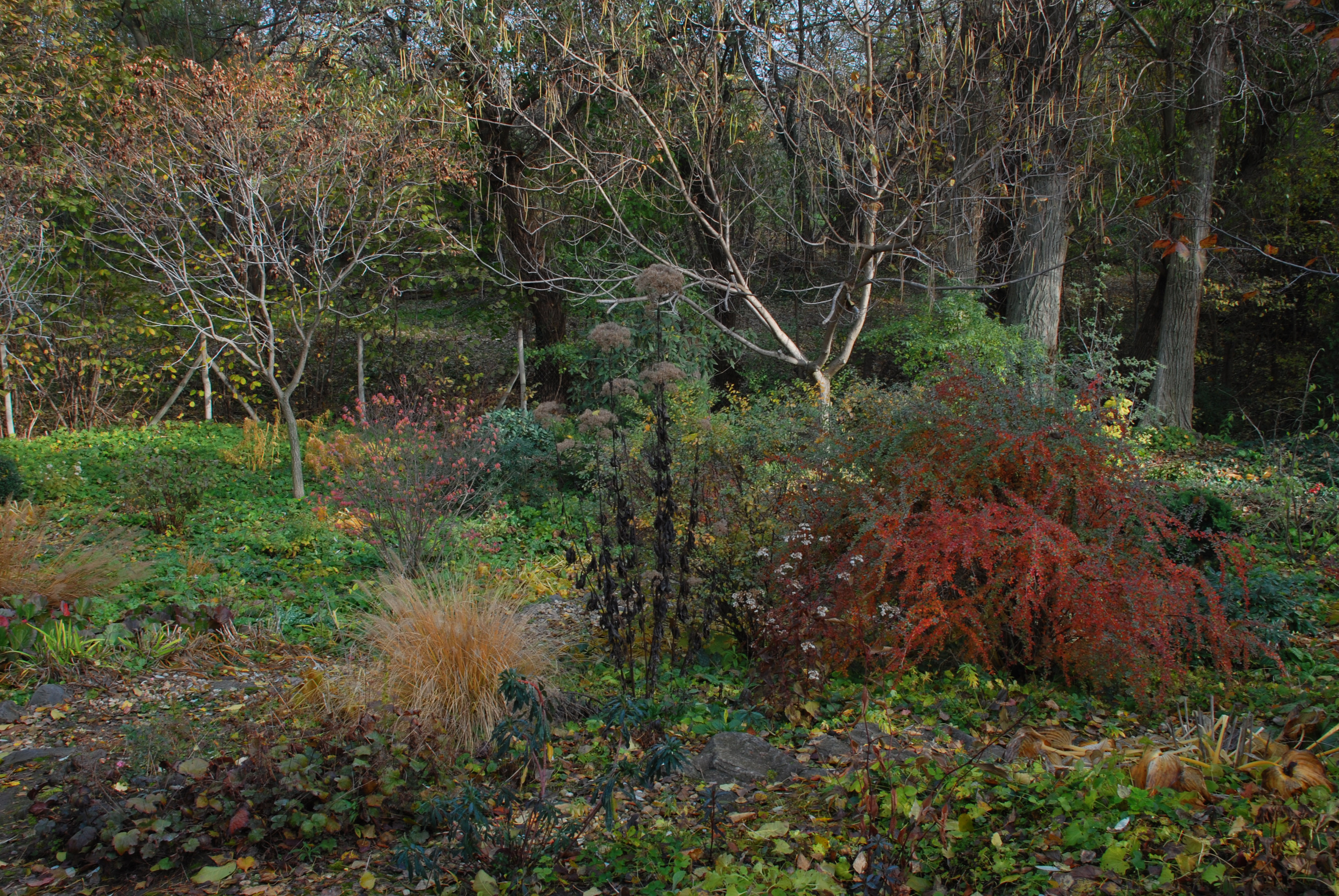
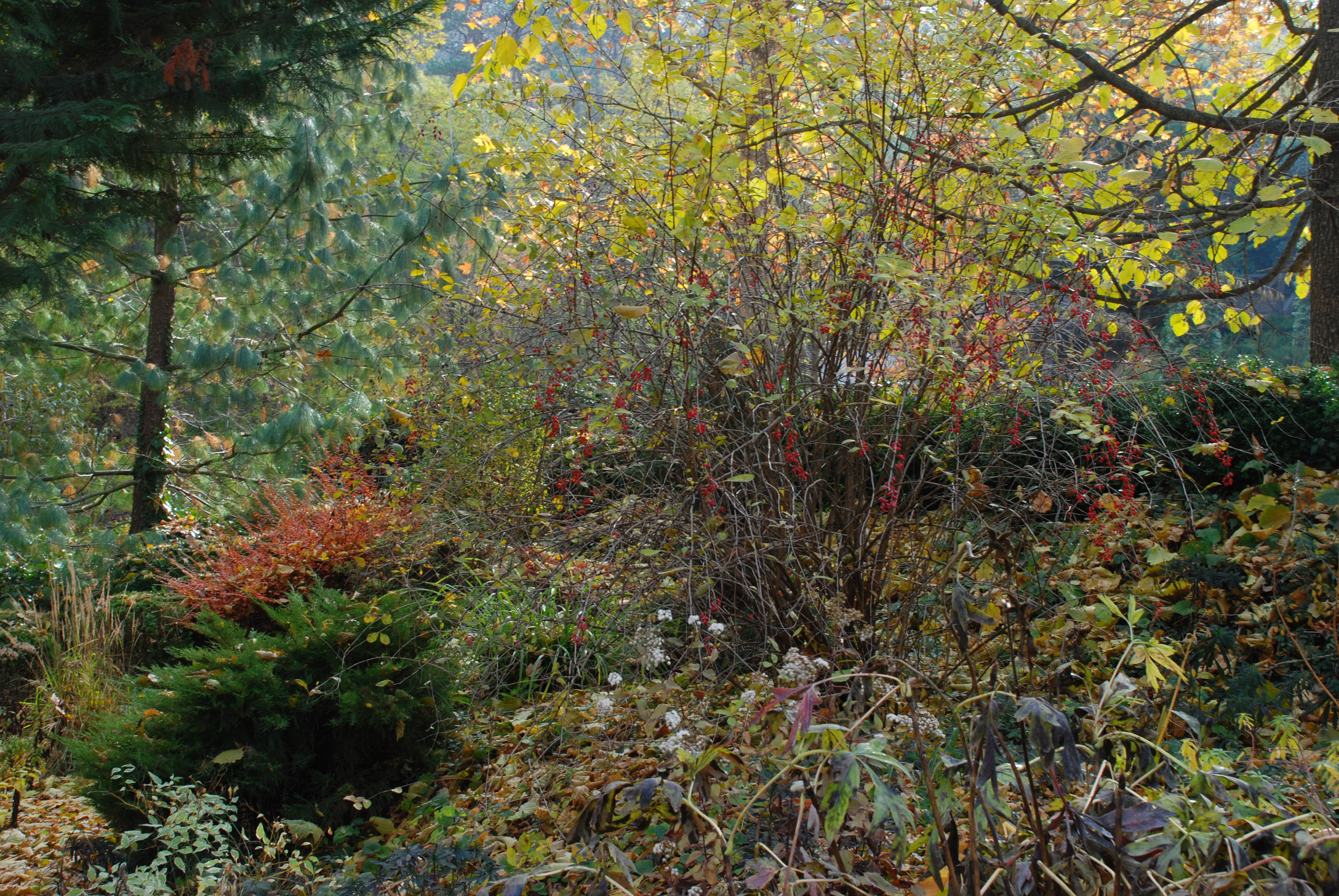
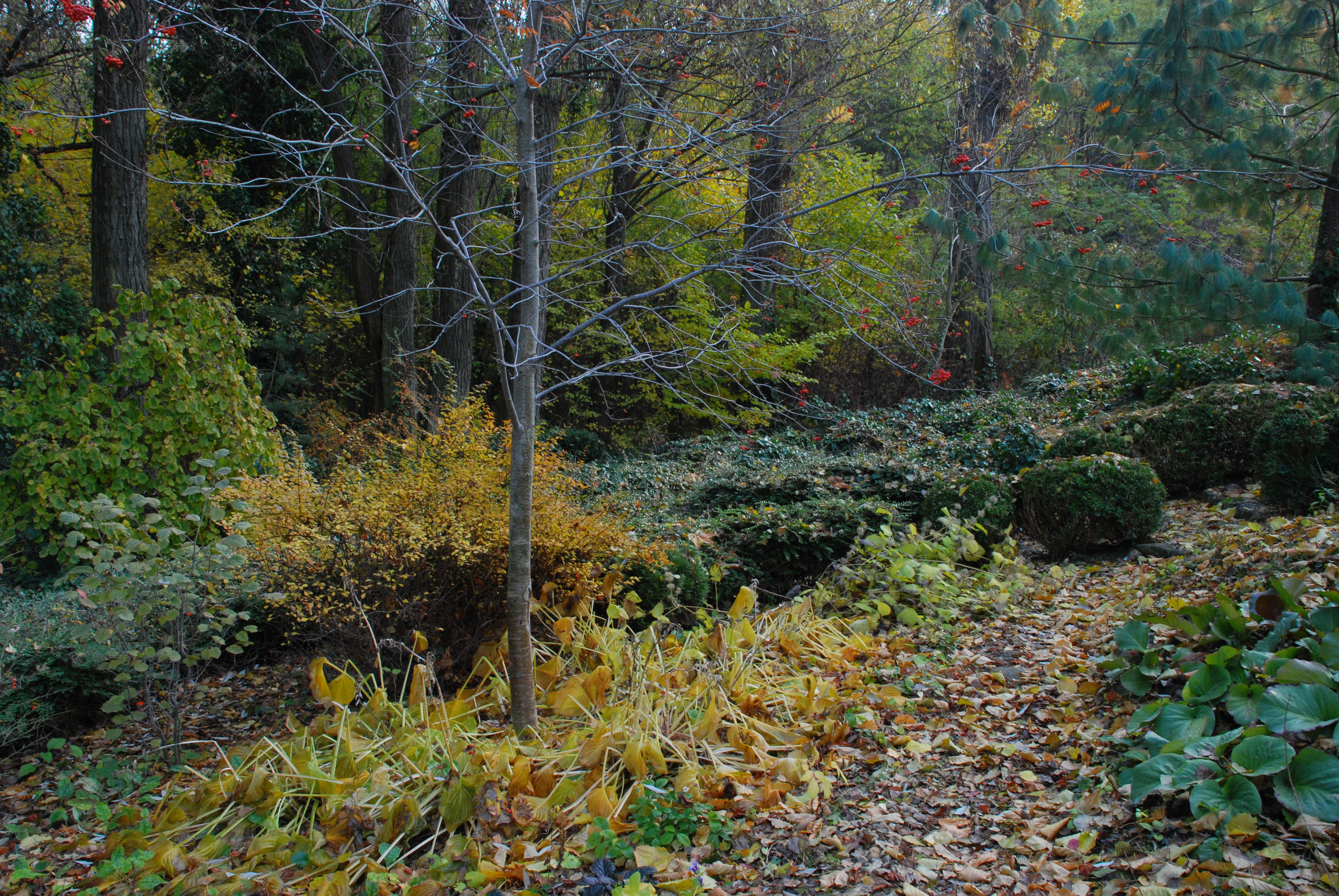
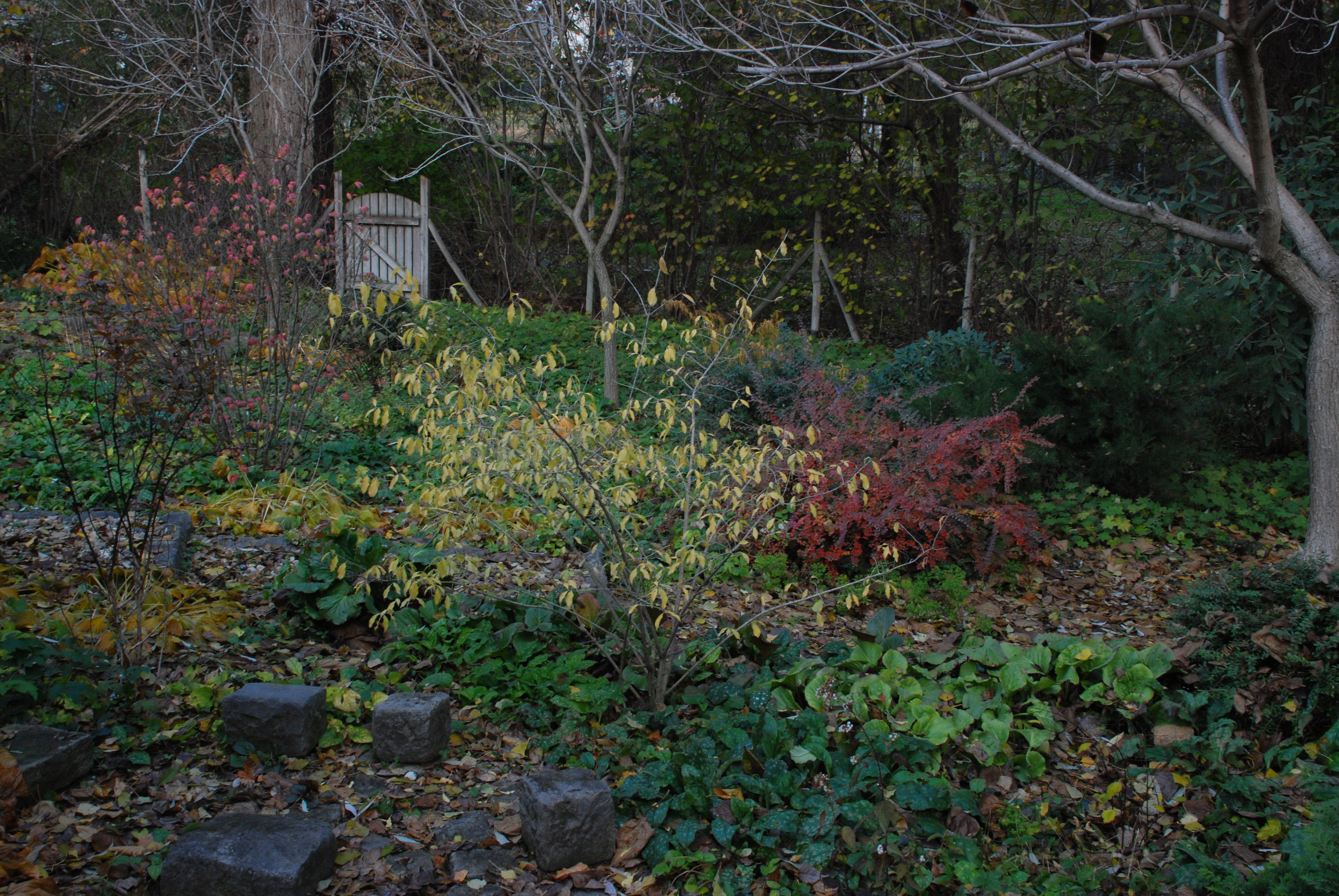
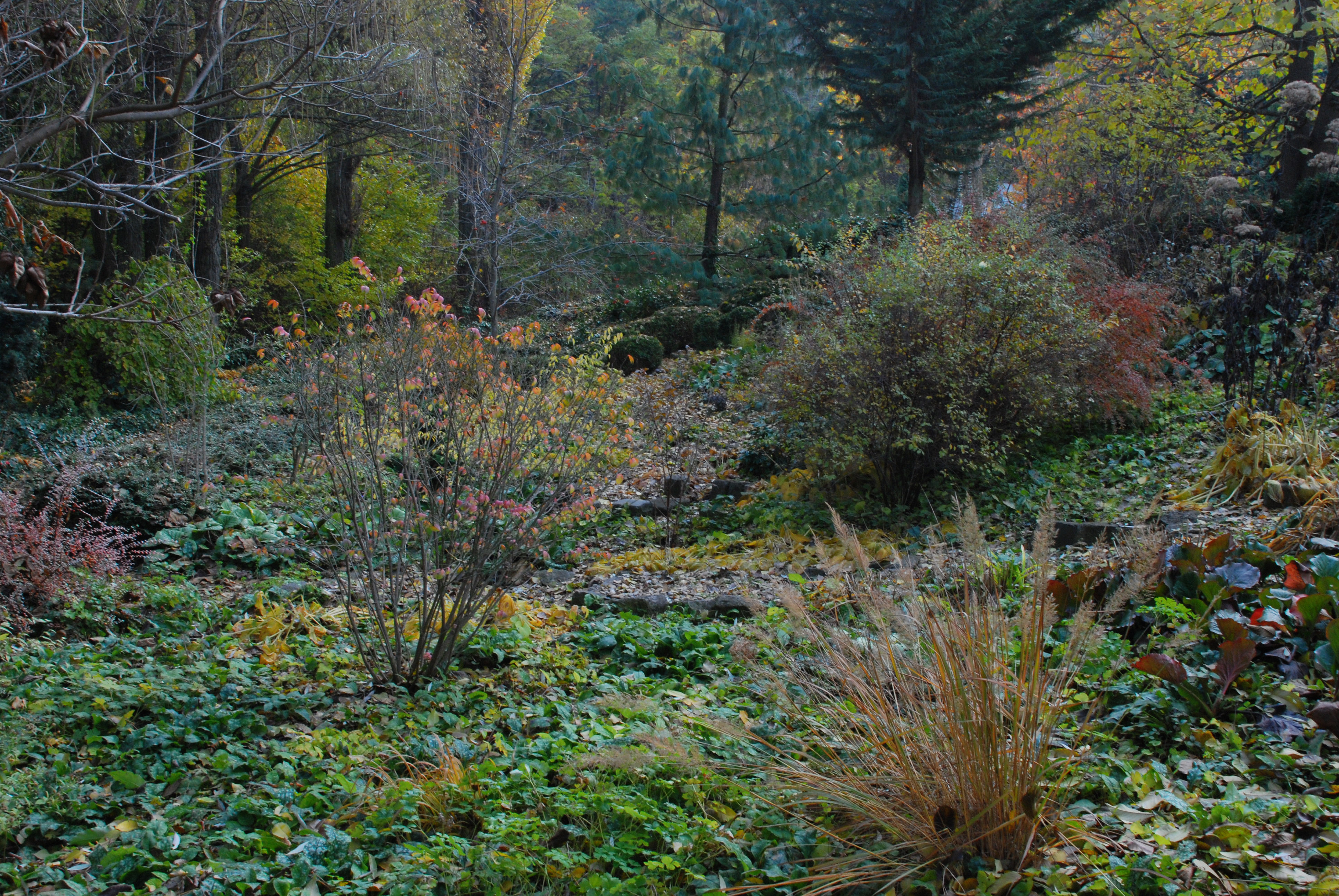
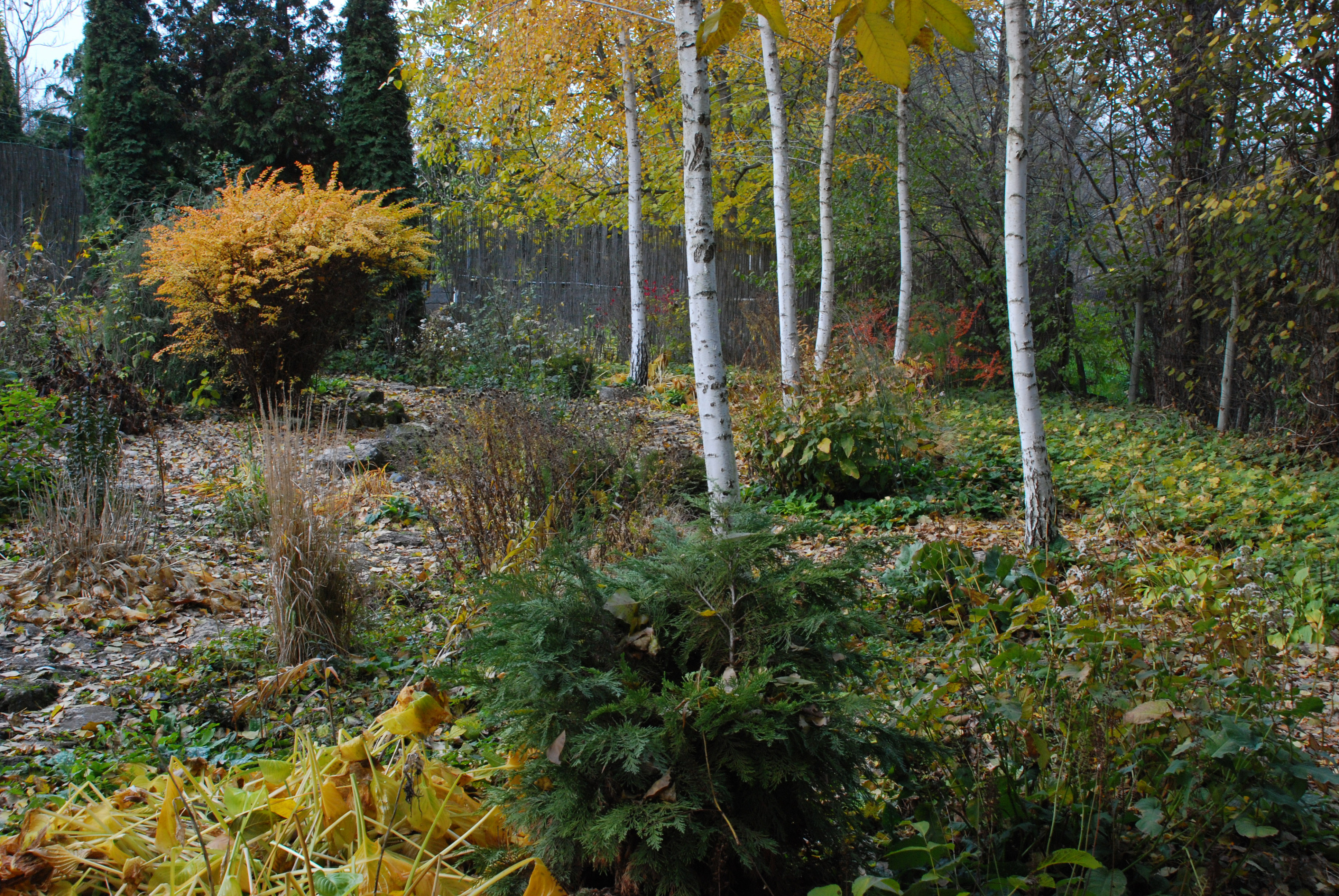
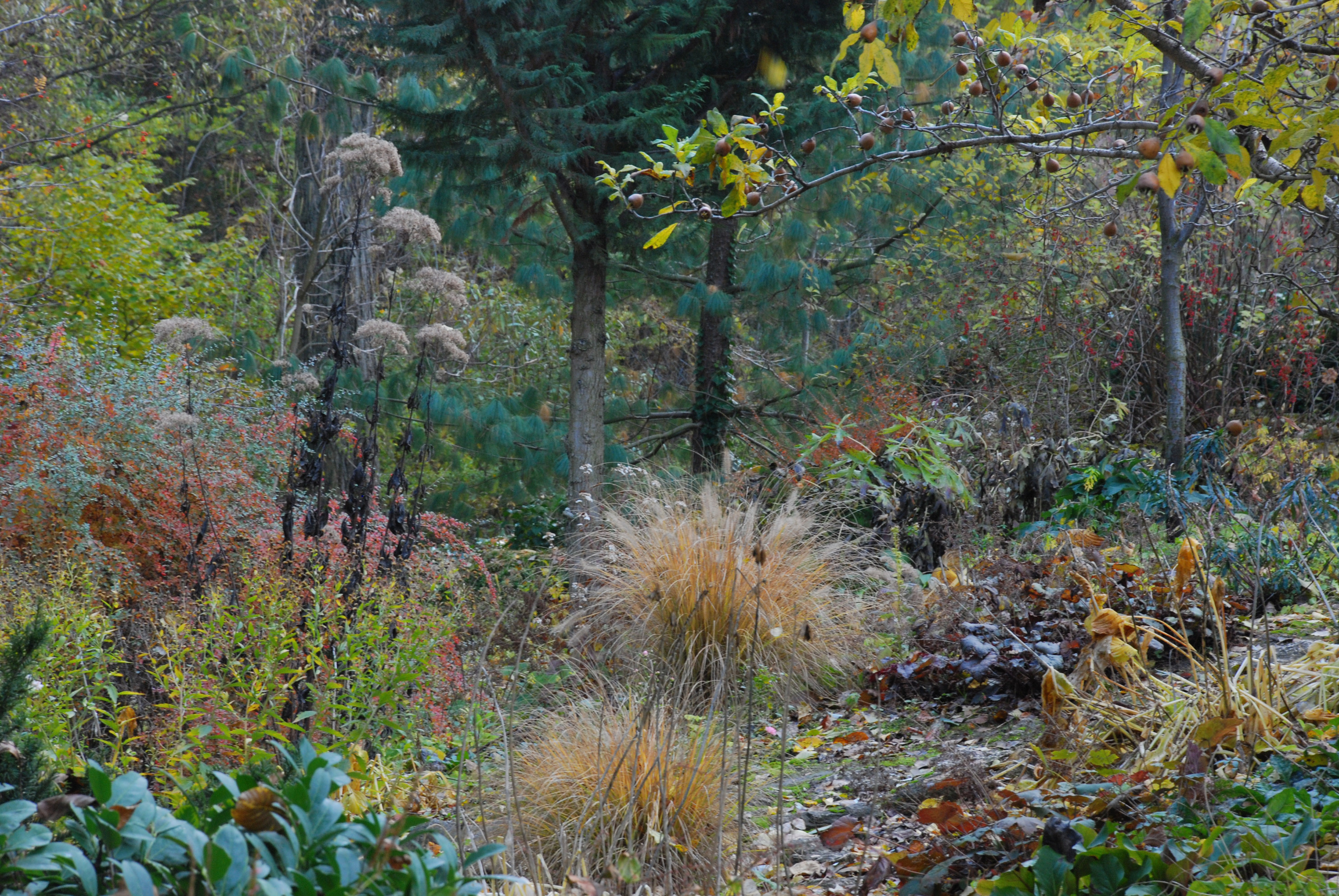
Several plants keep their colorful leaves or berries until late autumn. The plants below have been photographed this morning. Most of them are easy and cheap to find.

Berberis koreana:

With a Molinia 'Transparent' in the foreground.

Berberis thunbergii 'Bagatell':

Berberis thunbergii 'Golden Ring':

Berberis thunbergii 'Aurea':

Berberis thunbergii 'Erecta':

Berberis x mentorensis:

Callicarpa bodinieri 'Profusion':

Attention, it only produces these beautiful berries if you plant at least two ones against each other.

Cotinus coggygria 'Royal Purple':

In the foreground a Berberis thunbergii 'Atropurpurea Nana'.

Cotoneaster 'Skogholm':

Euonymus alatus 'Compactus' and Bergenia:

Euonymus europaeus:

Geranium sanguineum 'Striatum':

Hydrangea quercifolia:

Miscanthus (unfortunately I do not know the name of this species):

Miscanthus 'Adagio - Euonymus hamiltonianus 'Indian Summer':

Miscanthus 'Gracillimus':

Molinia 'Karl Foerster':

Behind it, on the trunk of the grubbed poplar tree there is oyster mushroom growing to our great pleasure.

Rosa 'Ballerina':

Sunday, November 22, 2009

Autumn - Images for gift 1

This week it was often still so warm that I could sit and pray in the garden. Once I sat down on a stone from where I could watch the leaves of the oakleaf hortensia turned to purple. Then I thought about what a wonderful Christmas present it would be to compose an image with these shades of purple. And I have composed it like this:


You can print it in A4 size at 300 dpi. Of course also in smaller and larger size, but in the latter case the resolution – and thus the quality – of the image will be less. Have a try, and tell me how it came.

I will also publish some more printable-size compositions in the future. Even before Christmas if I will have time.

The plants on the picture are:
Left side column: on the top a Bergenia, in the middle an autumn-colored leaf of a Paeonia, on the bottom the fruit of Viburnum rhytidophyllum.
Central column: on the top an Euonymus hamiltonianus 'Indian Summer', and below it, in order, a Sorbus 'Titan', a Hosta leaf, one more Euonymus hamiltonianus 'Indian Summer', and a rose leaf in autumn colors.
Right side column: top and bottom: Paeonia leaves in autumn colors, and in the middle a Persicaria amplexicaulis 'Firetail'.

Sunday, November 15, 2009

November morning lights

Wednesday, November 4, 2009

The last watering

Sunday, November 1, 2009

Imperial crown

“…suitably to its name, came to the European ornamental gardens through the mediation of two real emperors and two uncrowned kings of Renaissance botany…”

“…One of the emperors was Great Suleiman, il Magnifico, as Italian historians and al-Qanuni, the Legislator, as Turkish and Persian chroniclers called him. He complemented and stabilized the conquests of his father and grandfather, and his long reign was the golden age of Ottoman culture…”

“…Persian literature and art, including garden art, played a great role in this revival. Bread feeds the body, but flowers feed the soul, goes the saying attributed to Mohamed, and in this spirit Suleyman established in Istanbul the Flower Market which still functions on its original site, in the neighborhood of the Spice Bazaar…”

The story continues in the Poemas del Río Wang

Friday, October 23, 2009

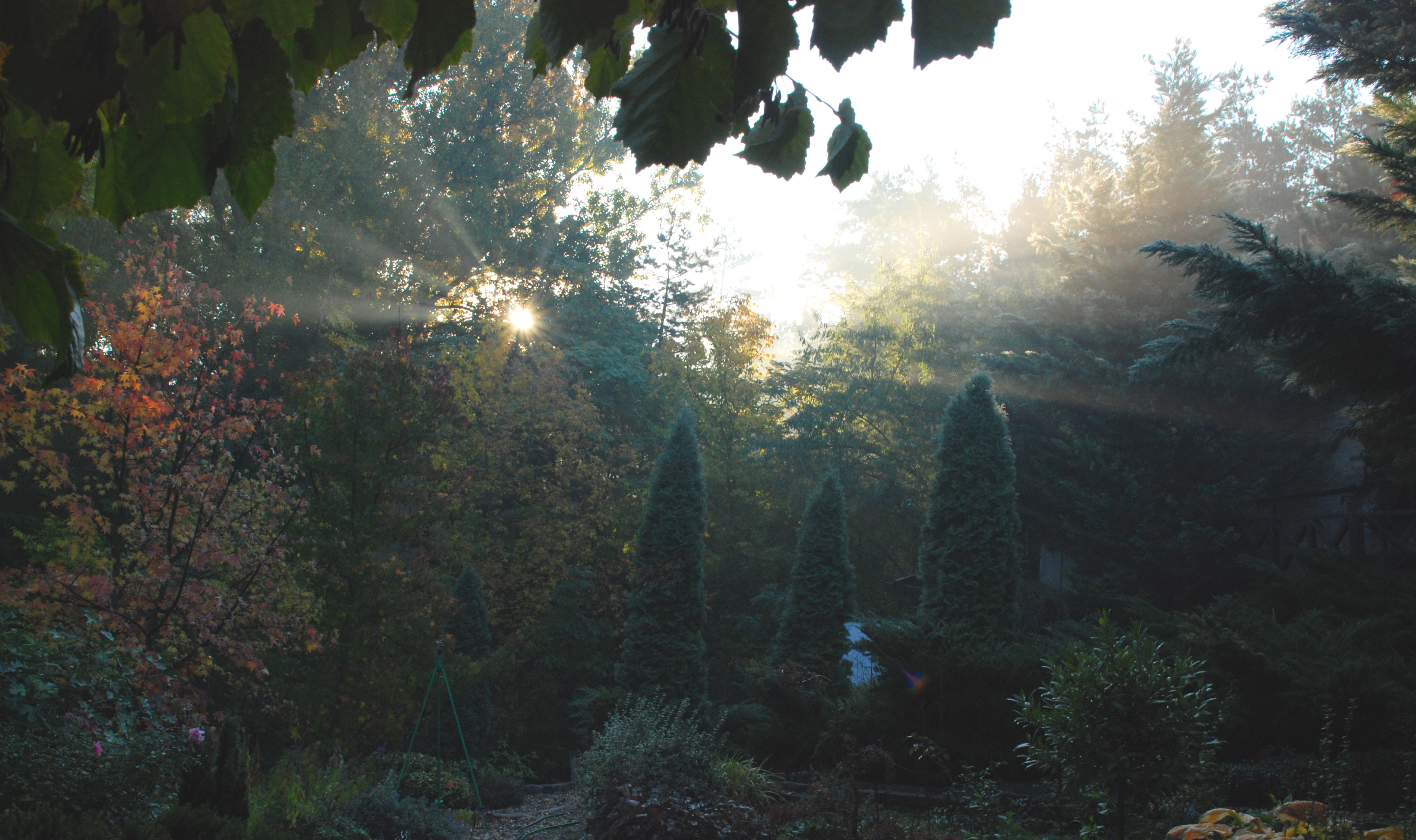
Foggy morning

Sunday, October 18, 2009

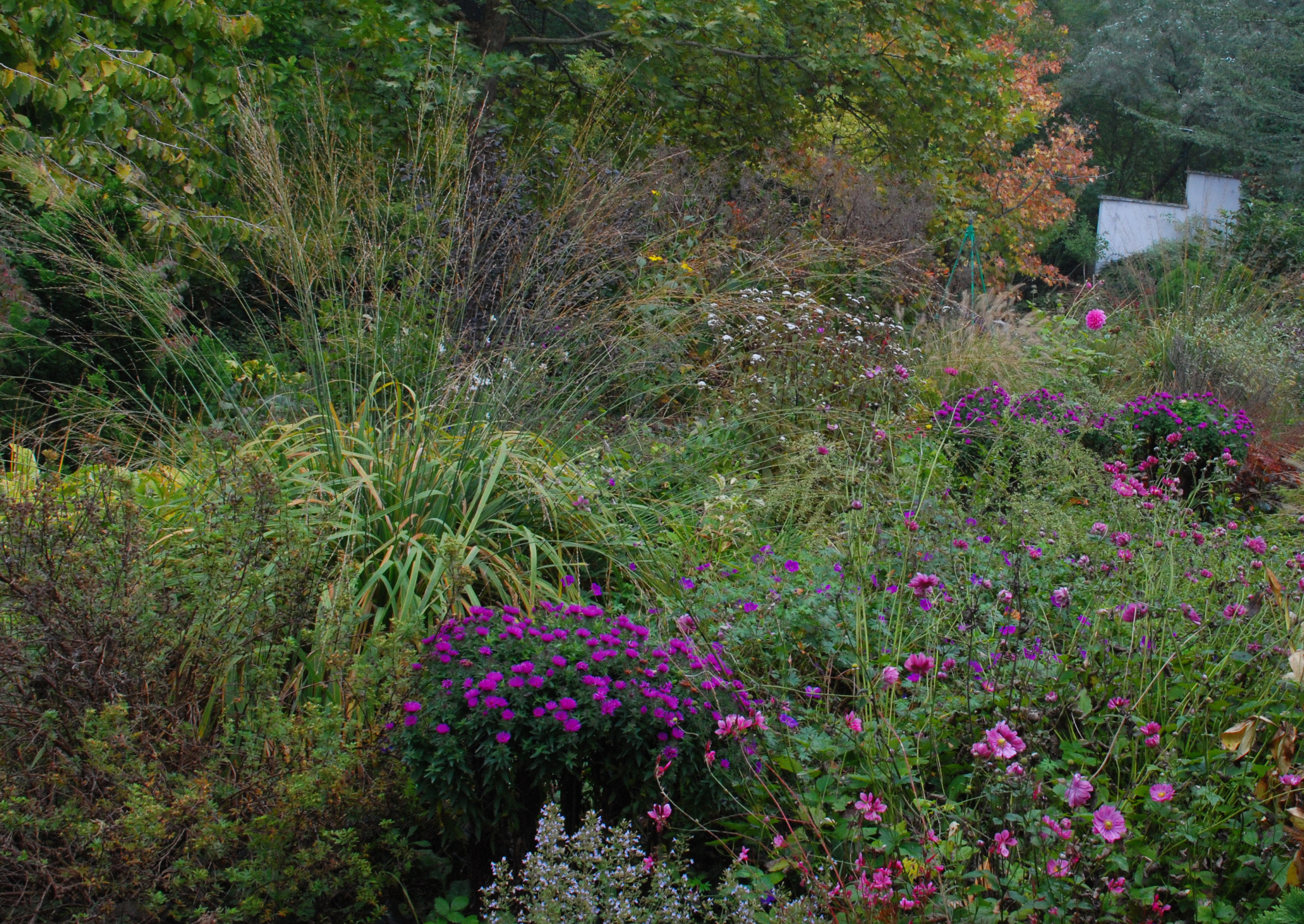
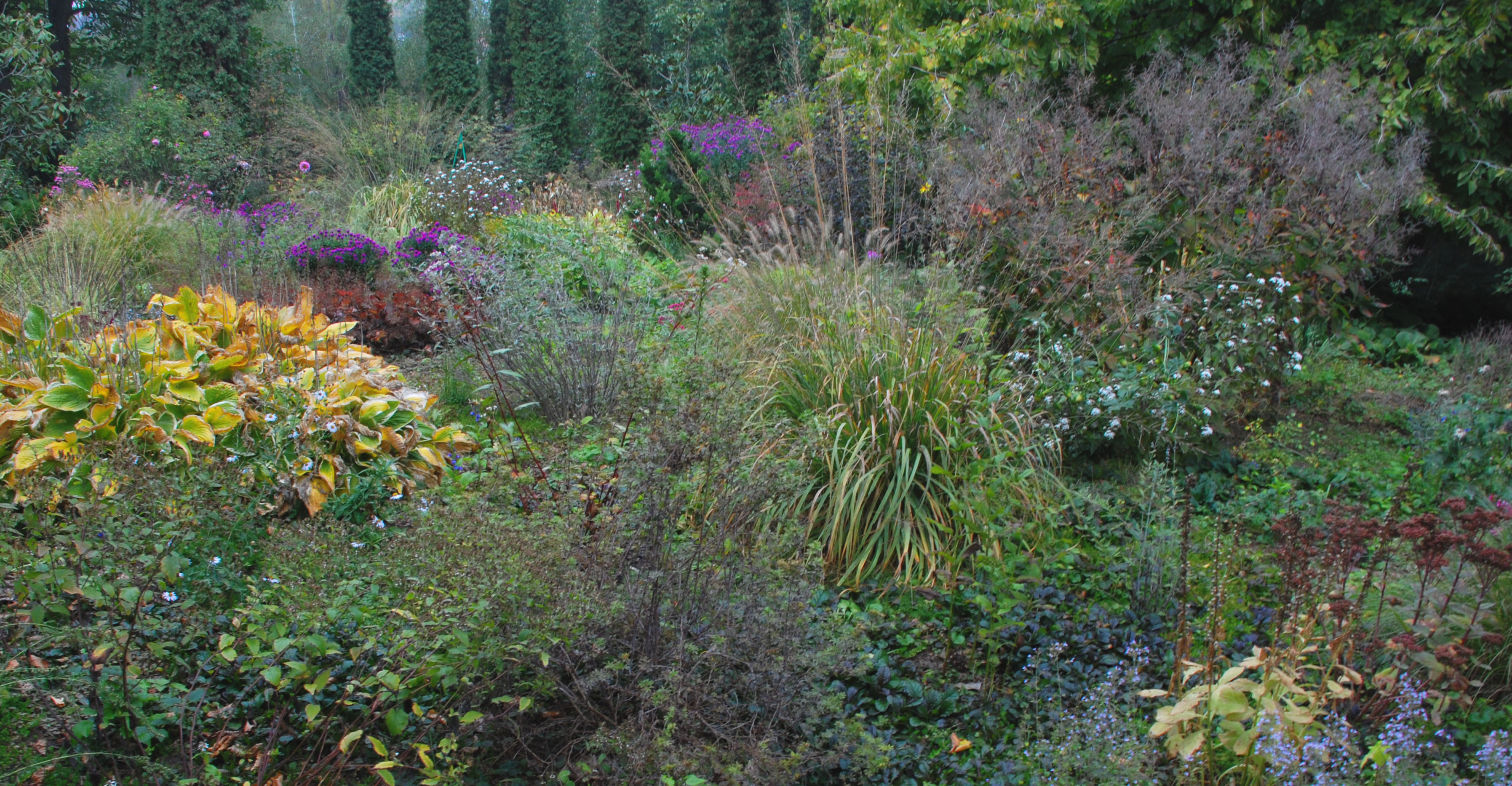
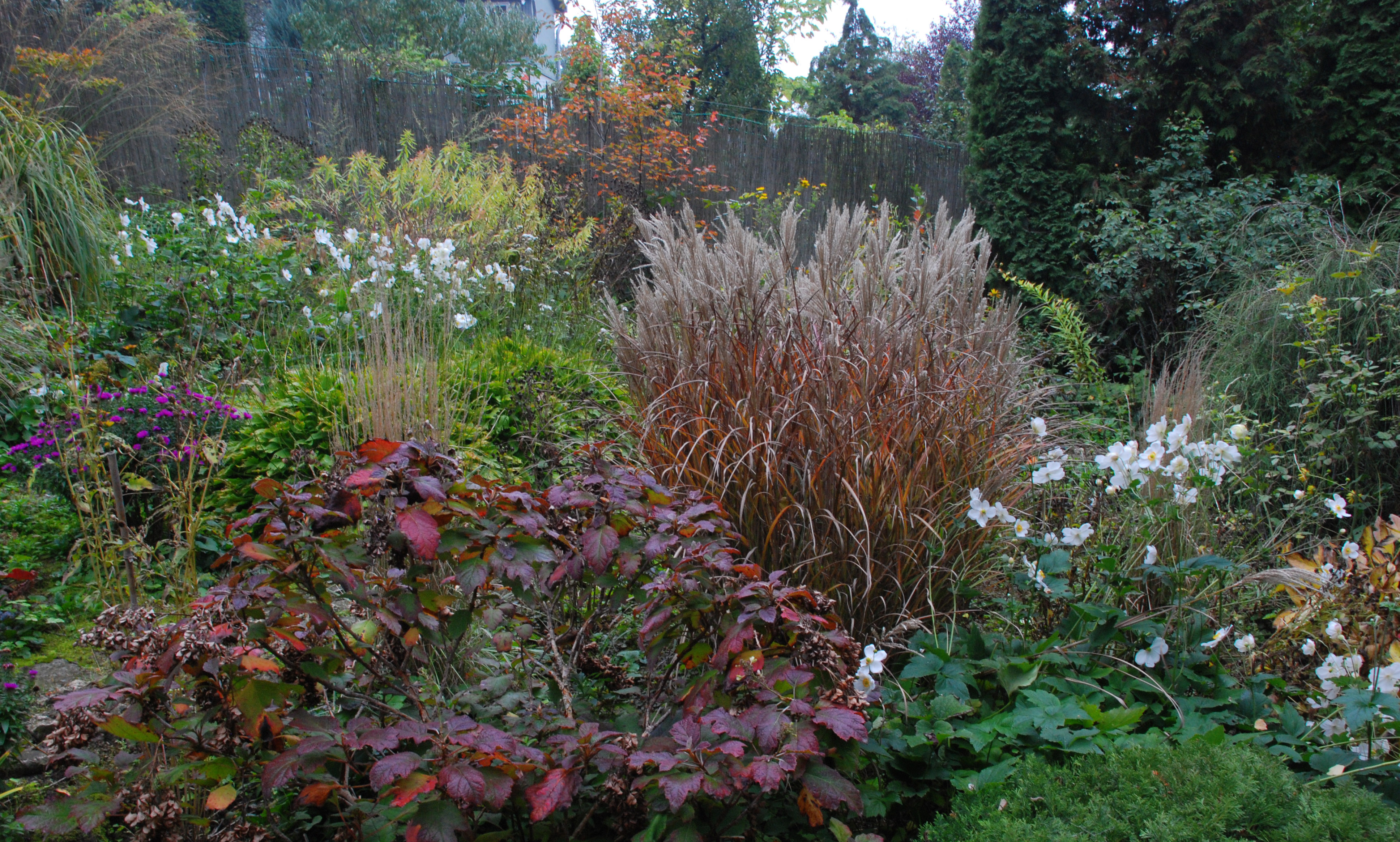
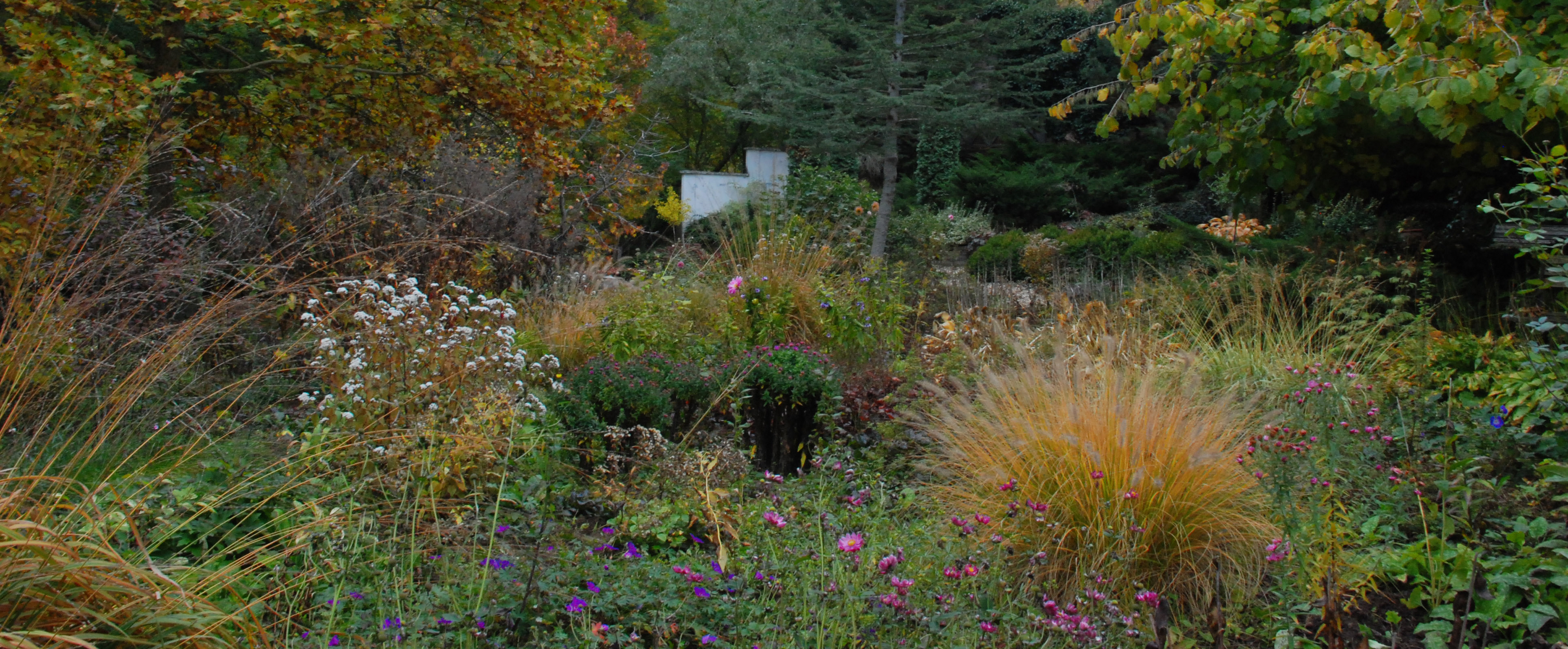
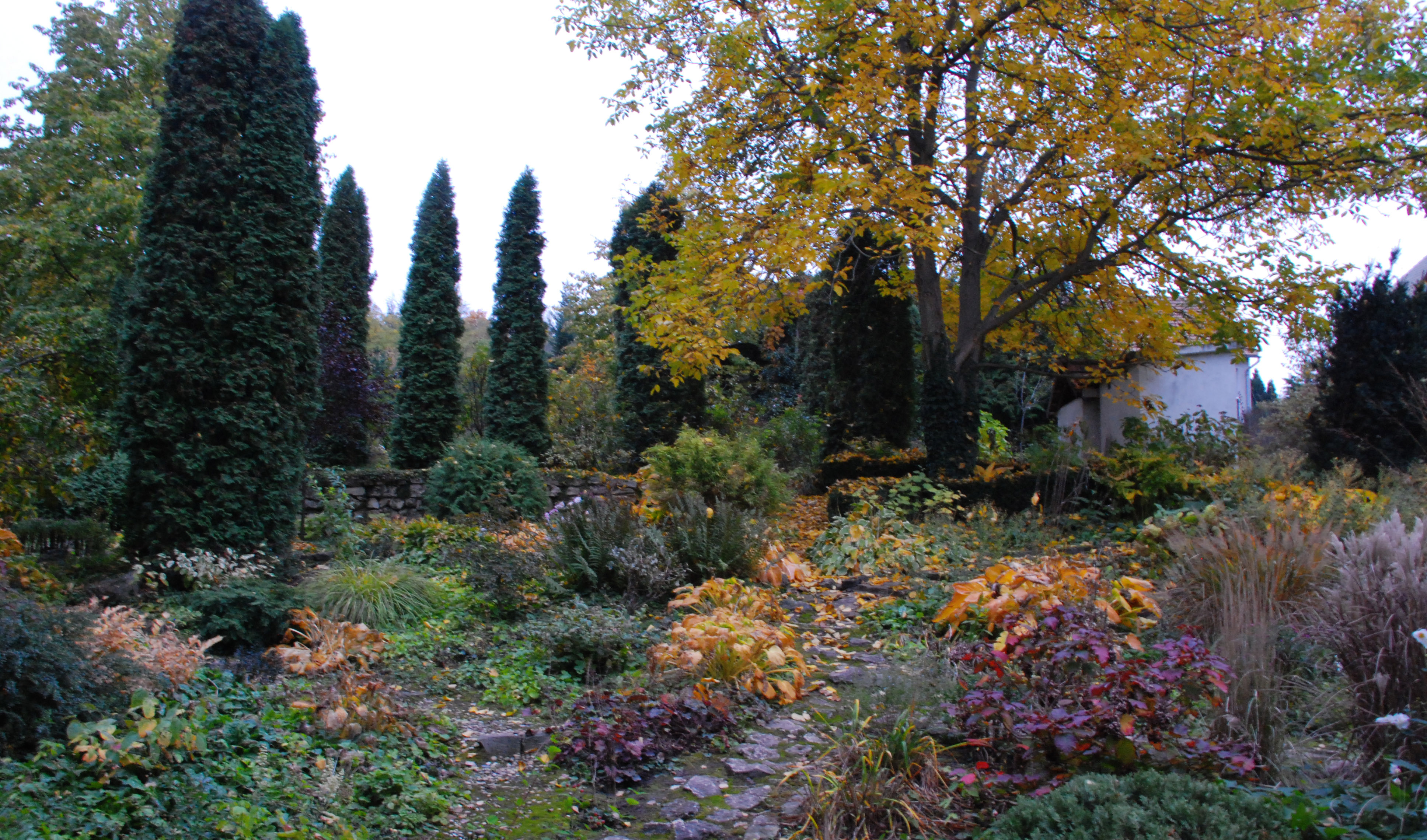
Autumn colors

Sunday, October 11, 2009

Heuchera villosa

Heuchera villosaI bought it some years ago in the Mocsáry Perennial Nursery. It was early summer, I could only see its leaves, but I immediately fell in love with it. Its leaves are large as a palm of the hand, as if it belonged to the undergrowth of a rain forest. I took away nine at once. Towards the end of the saison I saw that it did not impress others this much, as more or less these nine pieces were missing from the stock.
Heuchera villosaHowever, it has continued to attract me. Its leaves are beautiful all over the year. In the autumn, if it has a mood, it turns into red – unfortunately it does not always have the mood. And it does not require any extra care besides some watering, but it also suffers dryness pretty much. They recommend to plant it under sun or part shade, but here in our continental climate with very hot summers I would only put it in part shade. But it is extremely frost resistant (Z3). A perfect choice for cold, shadowy gardens.

Heuchera villosaAnd if it feels as well as at us, it delights you with so beautiful flowers from late summer until the first frosts.

Saturday, October 10, 2009

American plants - Audubon Society of Western Pennsylvania

Coreopsis tripteris. A coreopsis which suffers part shade and grows 150-180 centimeters high. It has just arrived from Staudengärtnerei Gaissmayer.

As usual, I have re-checked its characteristics on the web. It was then that I ran across the site of Audubon Society of Western Pennsylvania.

I have already found a number of American pages focusing on local plants and their use in gardening, but this one was especially interesting. Some of their plants are also known here in Hungary, but their majority is absolutely unknown at us.

Friday, October 2, 2009

One turns out well… another not…

Aster novae-angliae 'Herbstschnee'Aster novae-angliae 'Herbstschnee'. In early summer I was hesitant whether to keep it, because I have read somewhere that the withered flowers remain on it in an ugly way. First it happened so, but then it recovered and for the last month it is beautiful again. So it will remain.

Anemone 'Honorine Jobert'Anemone 'Honorine Jobert'. Very nice, but aggressively spreading. I do not know what to do with it so far.

Aster novi-belgii Royal Ruby Pennisetum HammelnAster novi-belgii Royal Ruby. I’ve already decided to dig it out. Even if I find it beautiful, especially here on the side of this Pennisetum. But I planted it in June, and by early September it has spread twenty centimeters. This means that I will have to dig it out and plant it again in every year – and I cannot keep plants that require so much extra work. I’m awfully sorry.

Stipa brachytricha Calamagrostis brachytricha   Achnatherum brachytrichaStipa brachytricha. One of my favorites. This is the only one in the garden. As it grew larger, I wanted to divide it and plant to somewhere else too, but there was no more place for it. Now finally there is. In the autumn I will divide and plant it to two more focal points of the garden. I hope there it will be as beautiful as it is here.

Stipa brachytricha Calamagrostis brachytricha   Achnatherum brachytricha

Saturday, September 19, 2009

After rain

Molinia 'Zuneigung'

Sunday, September 13, 2009

Anemone Rotkäpchen

Anemone RotkäpchenTranslated to English: Little Red Riding-Hood. If you like warm pinks, then you will love this charming anemone.

Anemone RotkäpchenAlthough it is usually considered of small stature, at us it grows about 80 cm high. It is important to know that it is invasive, like every anemone.

Anemone RotkäpchenIn our garden (Z5) it resists winter with no problem. It prefers part-shade, but it also tolerates rather much shadow, and if it gets enough water, it also grows on a somewhat sunnier place. However, you must not put it on open sun and dry places.

Anemone RotkäpchenI think it can be best joined with purple, warm pink, apricot, pale yellow, butter-colored flowers, but nice combinations can be made with blue and white as well.

Anemone RotkäpchenAt us it is certainly sold by Hegede Kertészet, and perhaps by others as well.

Thursday, September 10, 2009

Chef d'oeuvre

Some – like me – have to struggle for those light, floating compositions that enchant so much one’s heart.

Others create perfect things by instinct.

Sunday, September 6, 2009

Just a picture

The Echinops composition – in the autumn. The second bloom of Echinops is much shorter than the first one. If there will be a long and warm autumn, it will have a third bloom, too. The Eupatorium and Phlox acquitted themselves well. The first bloom of the Persicaria polymorpha behind them was cut back a bit too late, and thus now it has only a few flowers. Instead of the Berberis and Hosta undulata I would like something more attractive. Perhaps in this autumn I will replace them with Aconitum and Geranium.
Saturday, August 29, 2009

Saturday afternoon

Some things I am satisfied with.

This one has enchanted me for days. It became sooo Mediterranean. Not in the way it is fashiionable now, which means heaping up plants that require a climate which is milder by two or three zones than ours. No, this was composed with plants of our climate, but it has an atmosphere like shady Mediterranean patios.

Molinia Karl FoersterThis composition was made in this spring, and I am satisfied with the result. A Molinia 'Karl Foerster' between a Nepeta and a Sedum.

Phlox Orange Phlox Orange PerfectionPhlox 'Orange' or 'Orange Perfection'. I replanted them in this spring, and they are still small. They are famous for finding their place with difficulty. Here it is in the company of Miscanthus, Carex and Artemisia lactiflora.

Rudbeckia laciniata GoldballCountry feeling in the spice garden.

Rudbeckia HerbstsonneThe pink-yellow bed. I will work on it a little bit more in the autumn, but I already consider it fine.

Phlox paniculata WindsorThe same, seen from the pink Phlox. This picture was really inserted because of our cat Muska. By the way, the Phlox is called Windsor. An excellent flower. I planted it in this spring, and it is already this beautiful. It also resisted the heat of this summer. And I find it very fitting to the warm yellow tones.

MiscanthusAnd finally a somewhat cooler image with some Miscanthus in bloom.

Thursday, August 20, 2009

My favorites

Rudbeckia nitida 'Herbstsonne'. Well, with her I have a love-hate relationship. I consider her quite beautiful and vigorous, but she is a little bit too yellow for me. Now I have tried to encircle her with much light white and pink in order to counterbalance her strong personality. In the spring I had placed her out on the street before the fence, but she did not tolerate dryness, so in early summer she came back. Thanks God she has fully recovered.

Phlox paniculata 'The King'. Here the colors are like in real life. She has an elegant shade between wine red and purple, quite rare in Phlox. In addition, this is exactly the same color as the rouge one of my beloved professors used back at the faculty of pscyhology. She always reminds me of her, which is an extra bonus of this plant. In the morning when I sat on the bank near to her, I always say good morning to Magdi, too.

Persicaria amplexicaulis 'Rosea'. One of my main favorites. She conveys the impression of marshlands, but she does not require constantly wet soil, she is quite beautiful with normal watering as well. She belongs to those few plants that feel well both under full sun and in deep shadow. In addition, she also grows equally all round if se only receives light from one side. And in top of all that, she requires absolutely no maintenance.

Molinia 'Transparent'. I already wrote about her in the last year. This is now a recent picture. By enlargint it you will see how beautiful great arch she has.

Miscanthus 'Ferner Osten'. I also wrote about her in the last year. She starts to bloom now. In front of her there stands a Helenium 'Rubinzwerg', one of the few Heleniums that are also beautiful in part-shade.

Hosta 'Paul's Glory'. This is in fact one of the most elegant Hostas. It was hard to find exactly that shade of part-shade which she preferred. With a little bit more of sun she was burnt, and in more shadow she languished. Now it seems that we managed to find the balance, to the great satisfaction of both of us.

Saturday, August 8, 2009

Twelve pictures

Saturday, August 1, 2009

Banská Štiavnica (Selmecbánya) - Botanical garden

The Slovakian border is only forty minutes by car from us. Slovakia is full of beautiful landscapes and monuments. Very civilized and prices are rather low. Whenever we can, we go over to sip a little bit of Europe there.

One of our favorites is Banská Štiavnica / Selmecbánya (the first is its Slovakian name, the second the Hungarian name, as Slovakia was part of the Hungarian kingdom until 1918, and the majority of the town’s inhabitants was Hungarian). It’s a wonderful little medieval town. Fabulous places, fantastic cafés and “brave old world” small restaurants.

You should by any means check on it the post of Tamás in Poemas del Río Wang.

In this week we finally managed to get there again.

This time we also went to visit the local botanical garden.

This was the garden of the Academy of Banská Štiavnica. The first academy of mining and metallurgy in Europe was established in this town in 1737, and it was further enlarged with a department of forestry in 1807.

This botanical garden is especially famous of its exotic trees, pines, cedars and Sequoias. The above two images show a Sequiodendrum giganteum which had come from America many, many, many years ago.

By walking among the gigantic old trees one understands what makes an aristocratic castle.

Time somehow becomes touchable.

Saturday, July 25, 2009

Molinia arundinacea 'Zuneigung'

This photo was made this evening, but it has been blossoming for at least two weeks. It is this beautiful until the first frosts.

Molinia arundinacea 'Zuneigung'We bought it from Gaissmayer in last spring, and it has grown this large in one and a half year. This is more or less its final shape. It copes with all kinds of soil, but it needs regular watering.

In the last year I already wrote about another Molina, the Transparent.

On Sunday morning I made one more photo of it:

Molinia arundinacea 'Zuneigung'

Wednesday, July 22, 2009

Sun hardy hostas

As almost all parts of the garden are sunny at noon, I have much experience concerning the sun tolerance of hostas. And I have to tell that some of them surprisingly well tolerate strong sunshine.

Hosta plantagineaThe absolute record-holder is undoubtedly Hosta plantaginea. You can plant it in full sun, and it even tolerates dryness. In late summer it produces white flowers with a strong fragrance. It grows 60-80 cm in height, but at least 120-150 cm in width.

Hosta FranceeHosta Francee. At us it is in sun from morning till afternoon, but in Daves Garden some people write of having put it in full sun. It starts to blossom in late July. It blossoms long, and even its dry flower stems are so beautiful that I never cut them. In size it is more or less the same as plantaginea.

Wednesday, July 15, 2009

Clive Nichols Garden Photography

Unspeakably beautiful images of extremely beautiful gardens...

Clive Nichols Garden Photography.

Saturday, July 4, 2009

Monday evening